


















Long Term Rehab
Secondary Care Rehab at River Manor, Ruimsig
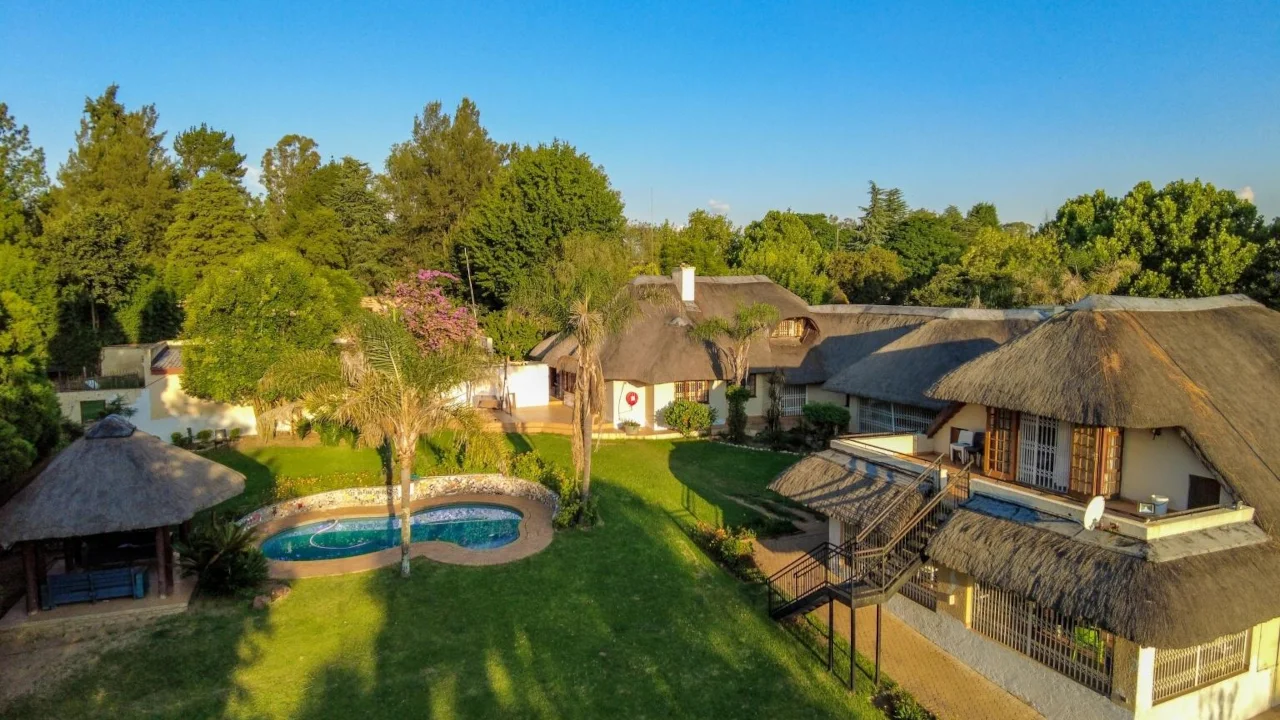
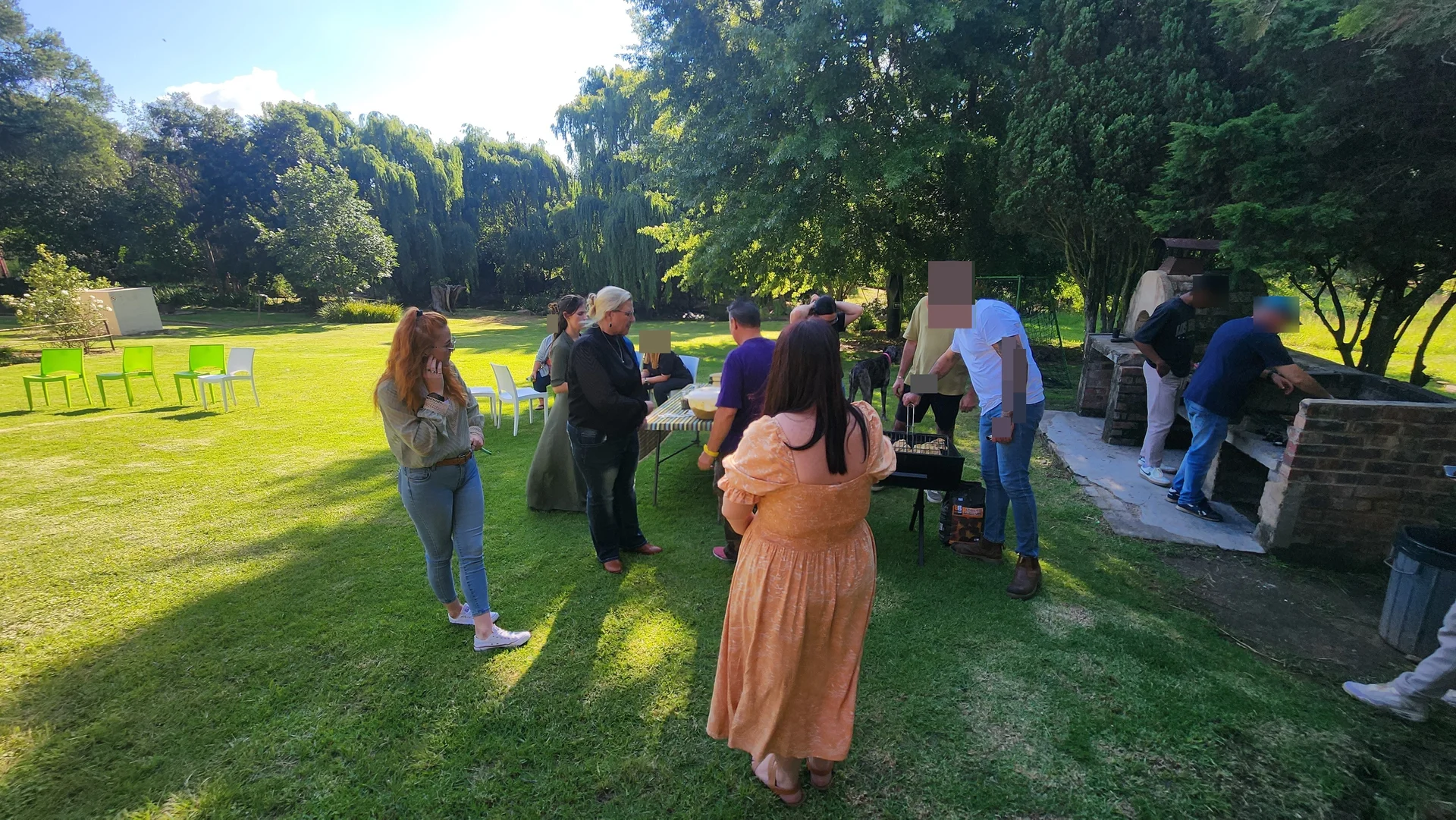
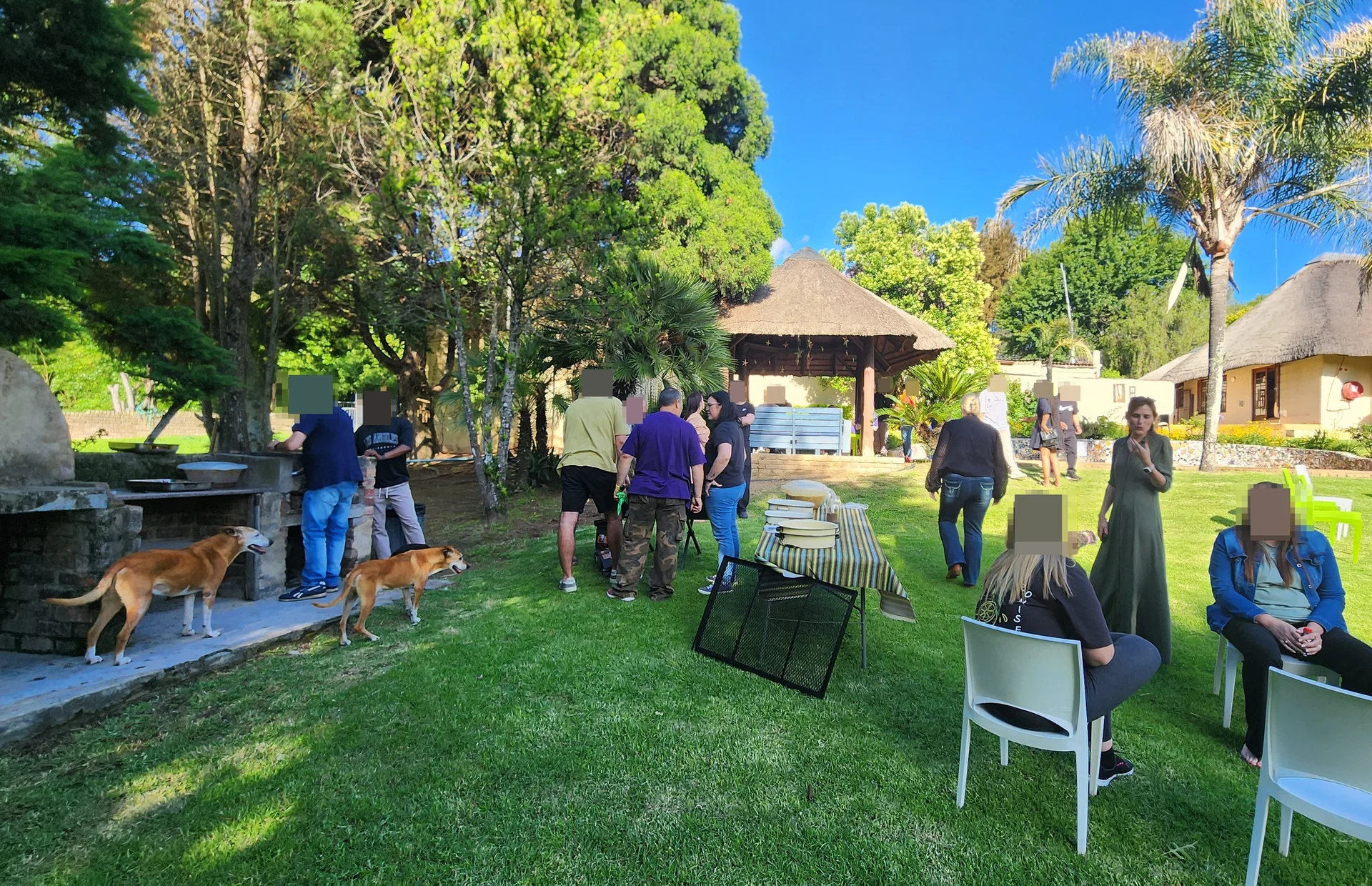
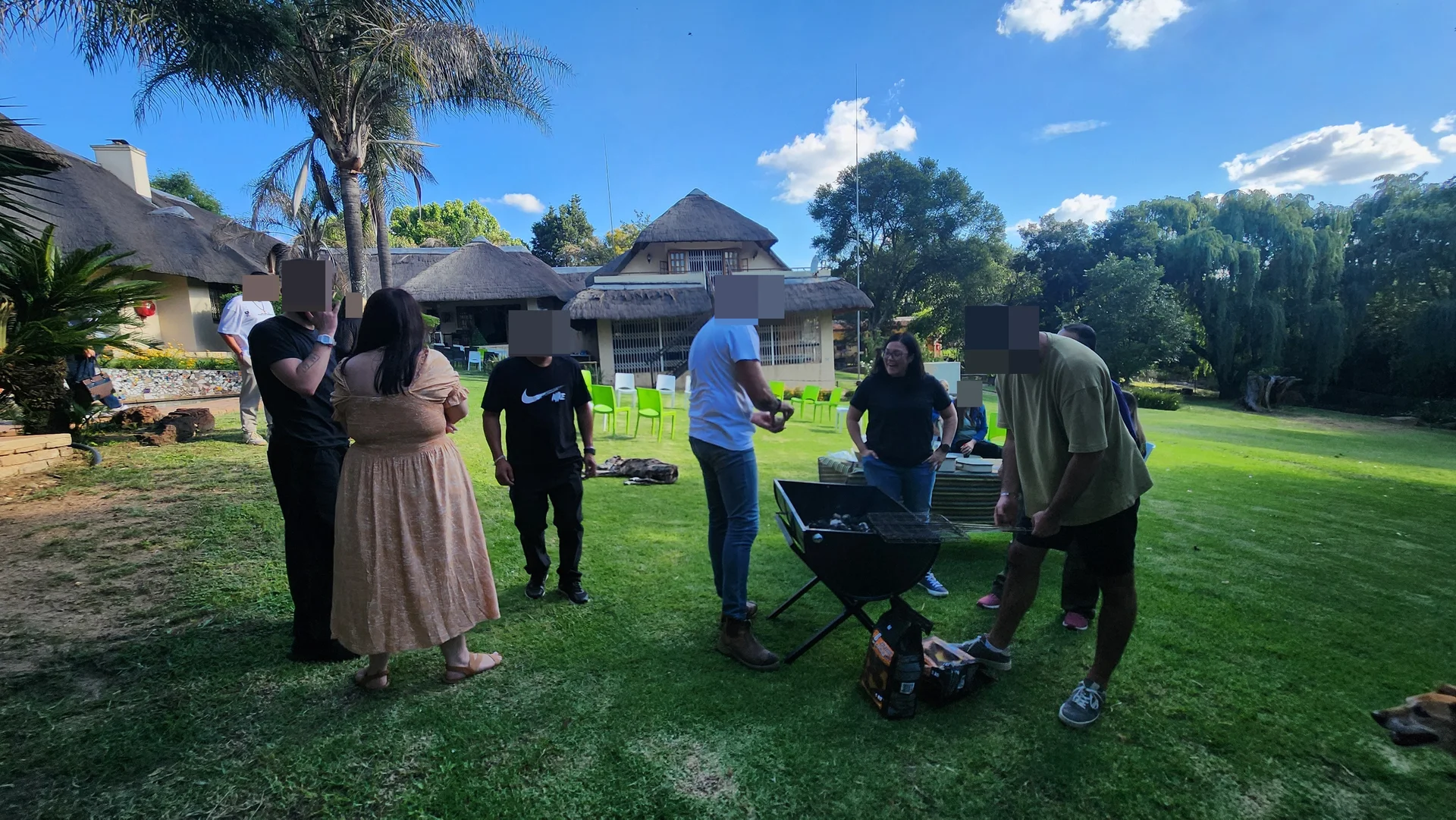
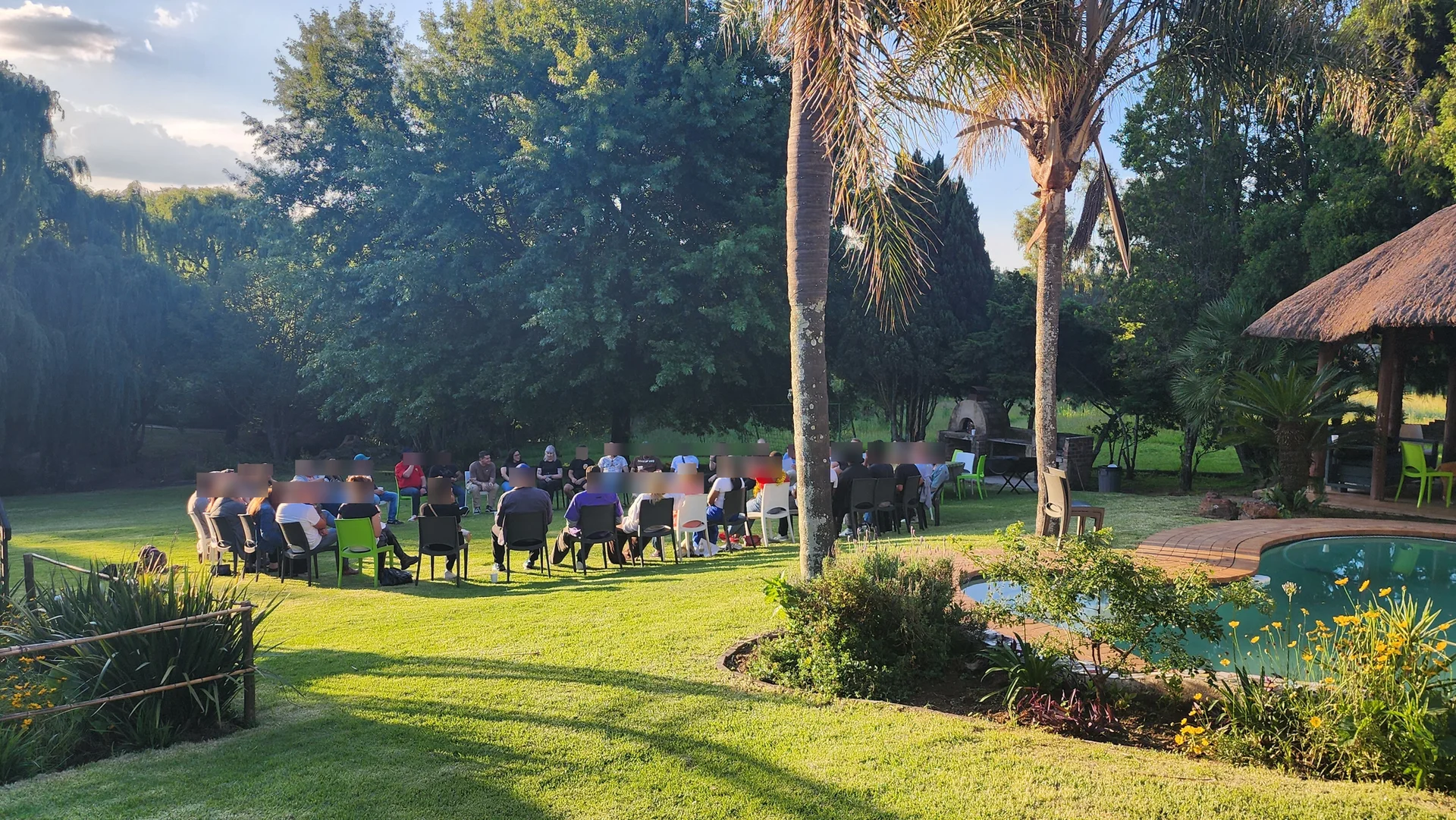
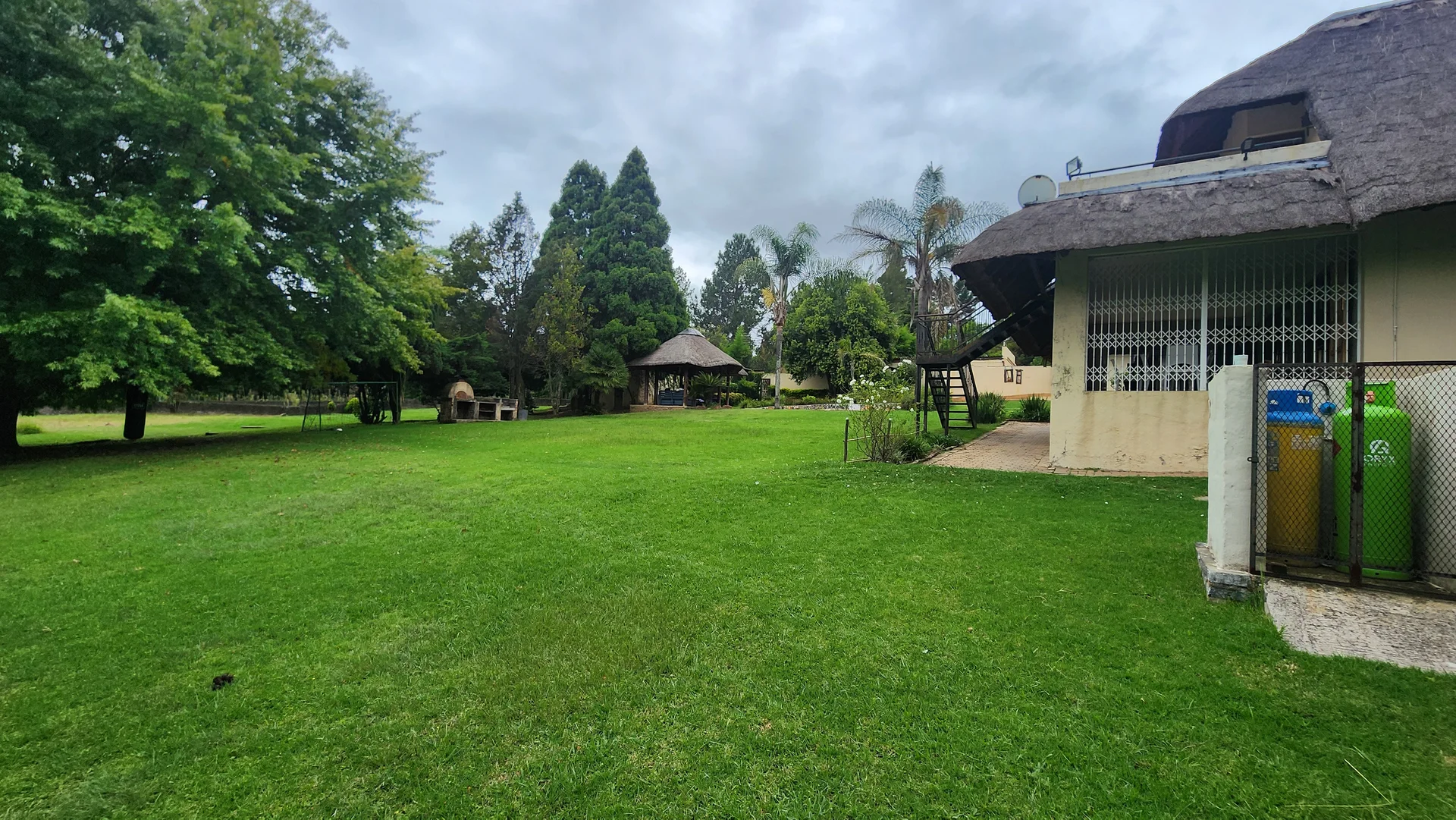
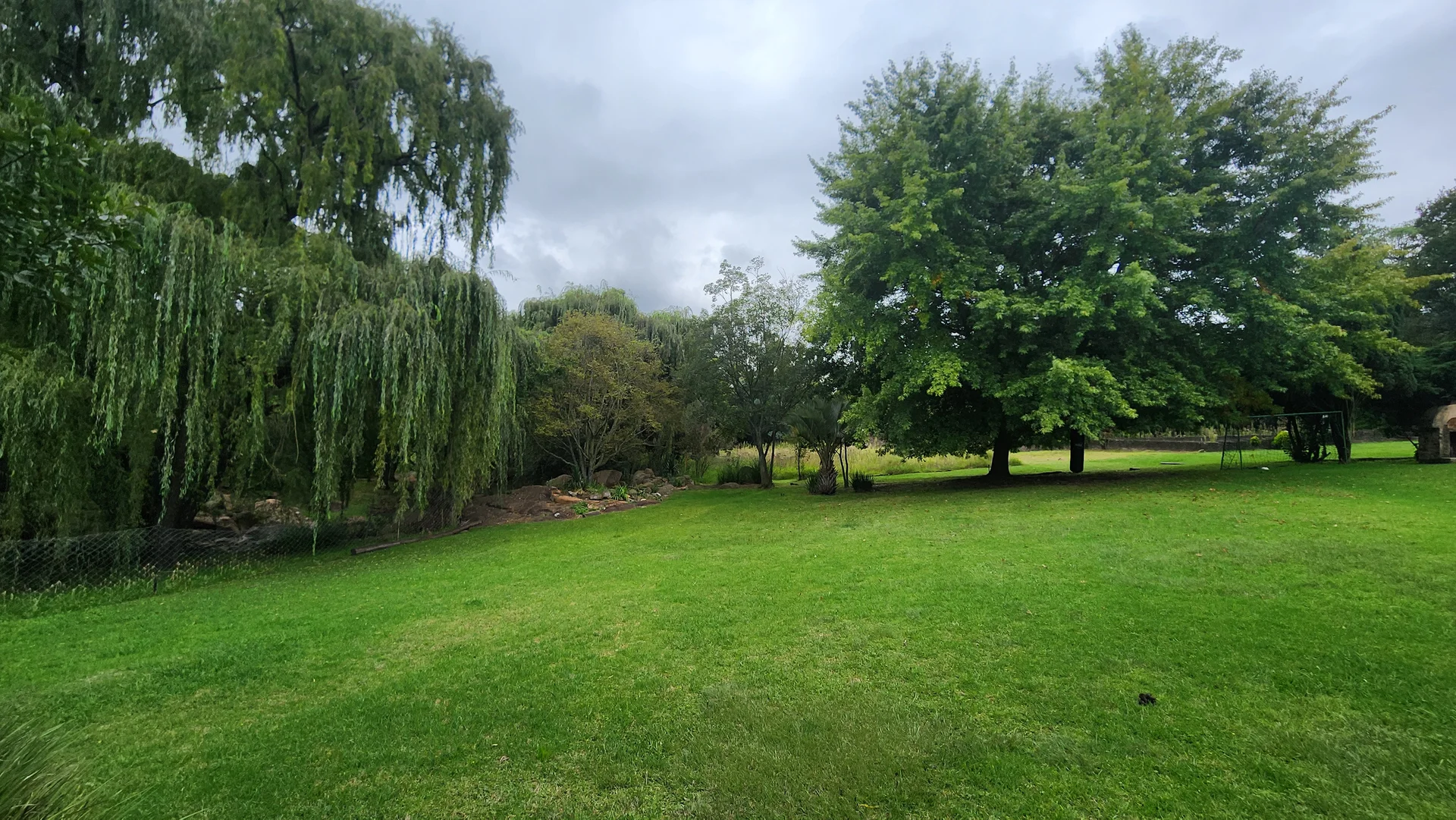
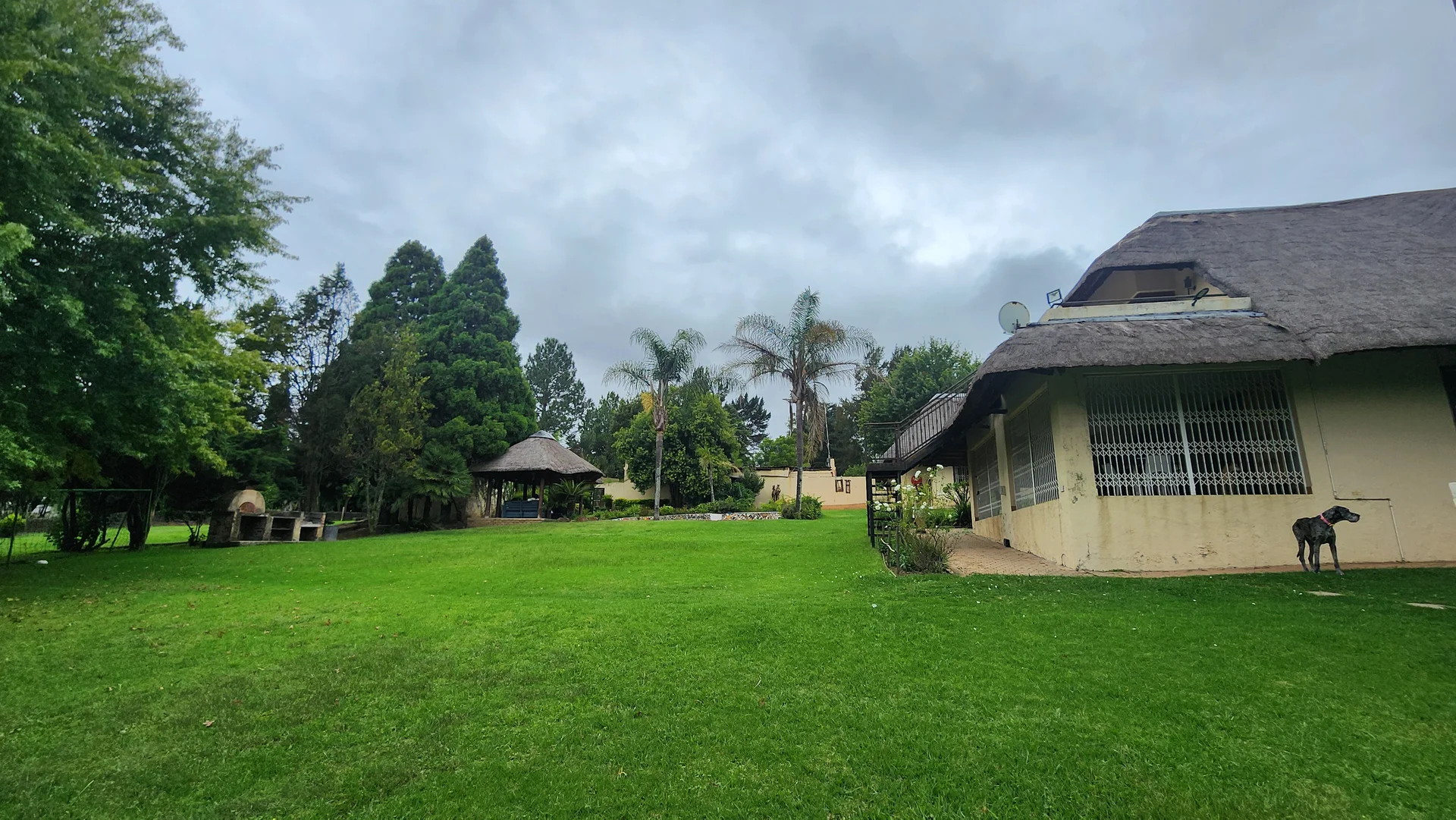
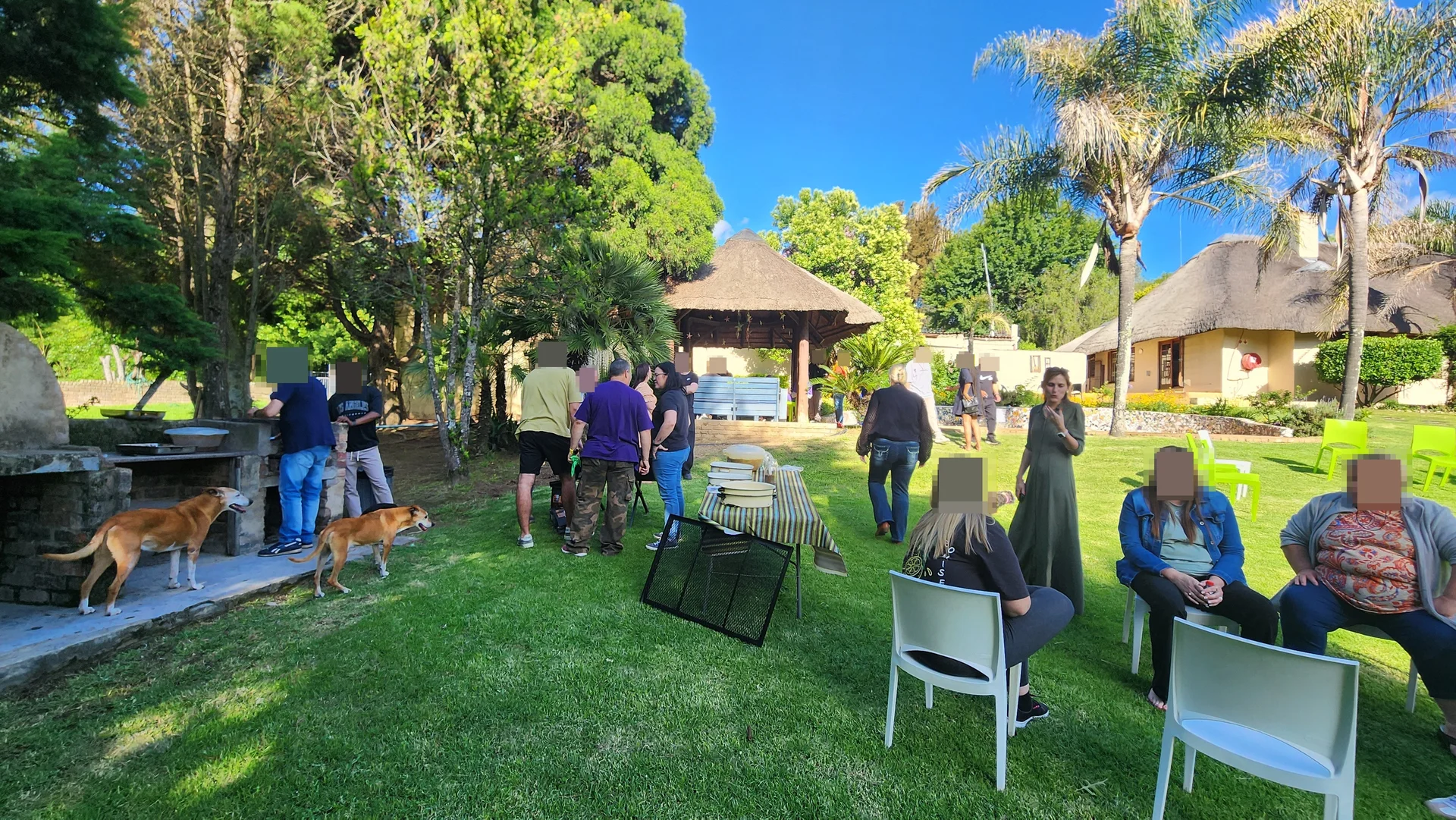
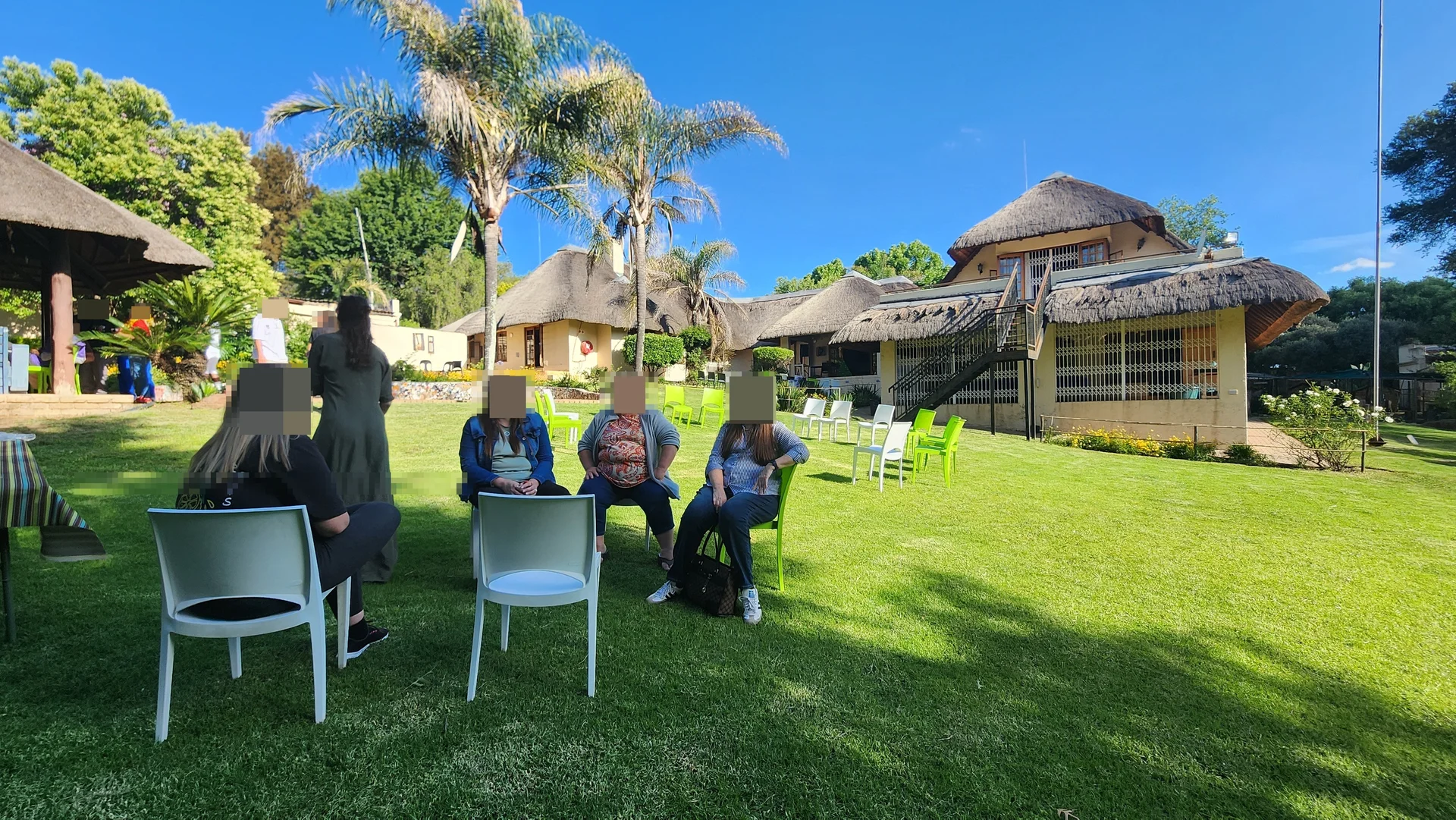
River Manor, also known as 'The Farm', is a 20-bed secondary care facility in Ruimsig on Johannesburg's western edge. Clients move here from primary care for eight to twelve weeks of structured therapy, equine-assisted work, and the gradual return of personal responsibility. Nurses are on-site around the clock. The setting is rural enough to break the patterns that come with city life, but close enough that family weekends remain practical.
What Makes Changes Stand Out for Long Term Rehab
Most long term rehab options put you in a clinical, hospital-style ward. River Manor, known to families as “The Farm”, does the opposite. It is a 20-bed secondary care property in Ruimsig where recovery happens inside a calm, structured community rather than a corridor of beds.
Here is what you get at Changes that most long term addiction treatment centres cannot match:
- A farm setting on Johannesburg’s western edge, with animal-assisted therapy and open space instead of a locked ward.
- 24-hour clinical supervision, with a nurse on night duty for emergencies, so extended care never means reduced care.
- A continuum, from medically managed primary care through secondary treatment to halfway housing and aftercare, all under one team.
- Major medical aids accepted, with admissions handled through a single pre-authorisation step.
Call And Get Pre-Authorised Now
Secondary care exists for one reason: the first month of sobriety does not magically rebuild a life that addiction has been dismantling for years. Primary treatment stops the immediate crisis, clears the body of substances, interrupts denial, and restores basic thinking. But the emotional, behavioural, relational, and practical foundations required to stay sober in the real world are nowhere near ready at twenty-one days. Long-term residential care fills that gap. It gives people the time, structure, and clinical containment they need before rushing back into the same environments, pressures, and emotional triggers that destabilised them in the first place.
Changes’ long-term facility is not a holding space; it is an extension of the clinical work begun in primary care. Individuals who step into this phase do so because they recognise, often for the first time, that their external life may be calm, but internally they are not. The thinking is still volatile. Relationships are still strained. Emotional reflexes are still raw. Stability is still fragile. Long-term rehab gives the person time for their brain, their behaviour, and their emotional system to catch up with the decision they made to get sober.
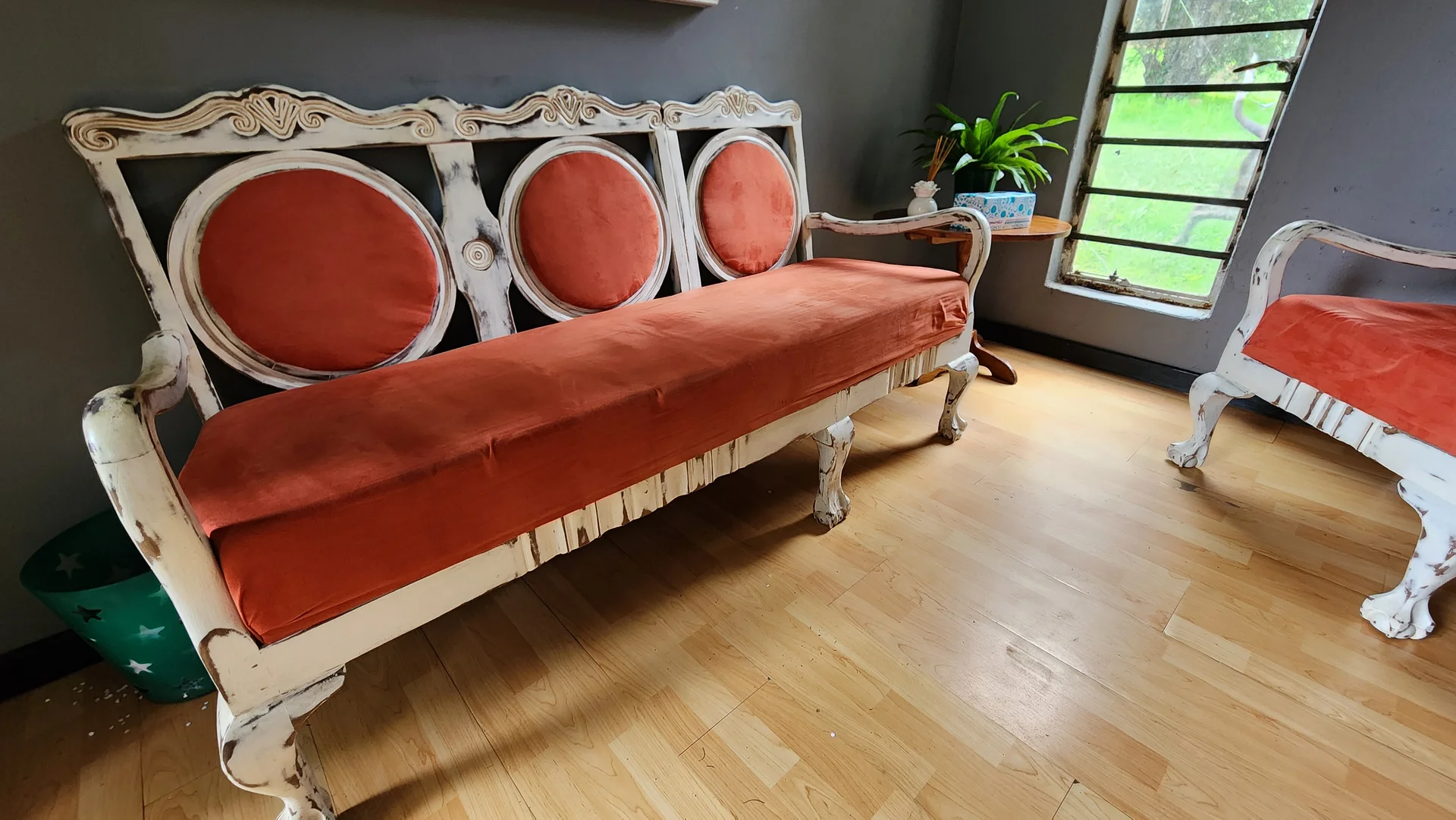
The facility itself is intentionally different from a hospital-like environment. Located on a spacious property in Ruimsig, it offers twenty beds within a calm, structured community where patients participate in therapeutic routines, and daily accountability. The natural environment slows people down. It pulls them out of the urgency, chaos, overstimulation, and knee-jerk reactions that defined their active addiction. It gives them space to reflect, to understand themselves honestly, and to rebuild without rushing.
A nurse is on night duty for emergencies, clinical staff are present around the clock, and every patient’s care continues to be supervised professionally. Meals are nutritious and tailored to dietary needs. Nothing is left to chance because early recovery is too unpredictable for unsupervised independence. Secondary care is structured enough to hold people steady, but spacious enough for them to start living differently.




On the 7th February 2007, I found a place that cared as much for me and my recovery as I possibly do today. I met with Sheryl and completely removed all the masks I had worn for years.

Thank you for all the help on my recovery. It really makes a huge difference in my life. Changes has provided me with everything I need to navigate my new, sober life and actually live again.

If Amy W wanted to go to Rehab then it would have been Changes! I had no idea what rehabilitation and treatment was but when I arrived, I didn't realise how broken and in need of repair I was.
My first interaction with Changes gave me peace of mind. I knew that they would help. Thank you for looking after my son so well. You made a world of difference, not only in his life but also mine.
Grateful and thankful. I cannot express enough how much Changes has helped me and my family. Their support and care have been invaluable throughout this journey. We are forever grateful for their assistance.
Many families assume that once detox is complete and the person has a few weeks sober, they should be able to return home and “get on with life.” That belief ruins more recoveries than the addiction itself. The truth is that the brain is still recovering, emotional regulation is still unstable, and the person has not yet learned how to live in the world without depending on old habits. Secondary care prevents the dangerous jump from highly structured treatment into unstructured daily living.
What makes this phase so critical is not simply the extended time; it is the space it creates for deeper therapeutic work. Primary treatment clears the fog. Long-term care works on the part underneath the fog, the trauma, the compulsive thinking, the emotional wounds, the fractured identity, and the behavioural reflexes that have been building for years. This is where insight turns into capacity. This is where coping tools are not only learned but practiced until they hold up under pressure. And this is where the patient starts rebuilding a relationship with responsibility, consistency, and accountability.
The Benefits of Long Term Addiction Treatment
Primary care stops the crisis. It clears substances and interrupts denial enough to restore basic thinking. What it cannot do in a few weeks is rebuild a life that addiction spent years dismantling. That is the job of long term care, and it is where the real change happens.
Time to become stable
Extended care gives people enough independence to manage their own routines and triggers, without the full weight of the outside world landing all at once. Over months, the performance of “being fine” becomes impossible to keep up, and honest recovery takes its place.
Life skills rebuilt one behaviour at a time
Addiction strips daily routines and the ability to handle conflict or money. River Manor rebuilds them through daily therapeutic structure, group work and one-on-one sessions held side by side. Patients leave with grounded confidence, earned from evidence of real behavioural change rather than the false bravado addiction creates.
A real drop in relapse risk
The first ninety days are the highest-risk window for relapse, not because motivation is missing, but because the emotional system is still too raw for real life. Secondary care covers exactly those months, so people are not discharged before their brain and behaviour can cope.
A safer bridge back to everyday life
By the time someone leaves secondary care, they have months of clinical work behind them and life skills they have actually tested.
Does Medical Aid Cover Long Term Rehab?
Most major South African medical aids only contribute towards the initial phases of inpatient addiction treatment, with primary care the phase schemes most reliably cover. Substance use disorder is a recognised condition, so cover is often available through your scheme rather than paying fully out of pocket. The exact amount depends on your plan and the level of care your scheme authorises, and the admissions team will tell you what your benefits cover before you commit.
Changes works with Discovery, Bonitas, GEMS, Polmed and most other schemes. The admissions team handles the pre-authorisation directly with your scheme. For a plain-English breakdown, see the medical aid rehab guide for Johannesburg.
Before admission, an initial assessment works out whether long term rehab is the right level of care for the person in front of us. It is a recommendation, not a requirement. Some people step down to outpatient or a halfway house instead, and that is a valid path. The evidence is simply strong that those who stay in extended care give themselves the best chance of lasting recovery.
Check your cover and start admission
Our services
The Right Rehab Changes Everything.
Changes offers a full continuum of care in Johannesburg — from medically managed primary care rehab through secondary treatment, halfway housing and structured outpatient support.
Primary care rehab
Intensive, structured inpatient care with 24/7 nursing, medical oversight and supported detox where clinically appropriate.
Secondary-care programme
Step-down residential treatment focused on consolidating early recovery, routine and real-world coping skills.
Halfway house
Supported sober living with curfews, accountability and work-friendly structure while people rebuild life in recovery.
Outpatient & aftercare
Flexible therapy and groups so clients can continue working or studying while receiving ongoing specialist support.
Compare the Stages of Long Term Care
See where each stage fits and how long it usually runs, with the job each one does.
| Stage | Facility | Typical Stay | What It Does |
|---|---|---|---|
| Primary care | Northcliff | 21 to 24 days | Medically managed detox and early stabilisation |
| Secondary care | River Manor, Ruimsig | 2 to 12 months | Step-down residential care, life skills, relapse prevention |
| Halfway house | Fairland and Melville | 6 to 12 weeks | Supported sober living with curfews and work-friendly structure |
| Outpatient and aftercare | Johannesburg-wide | Ongoing | Individual and group sessions that hold recovery in place |
Sober Living Homes Changes operates two halfway houses for sober living: Johannes House in Fairland and Auckland House in Melville. Residents stay three to six months, holding down work or study, attending three group sessions a week, and meeting one-on-one with a counsellor. The houses are drug and alcohol free, with house meetings and curfews. Both suburbs are well-connected for public transport, so residents can resume daily routines without the cost of running a car.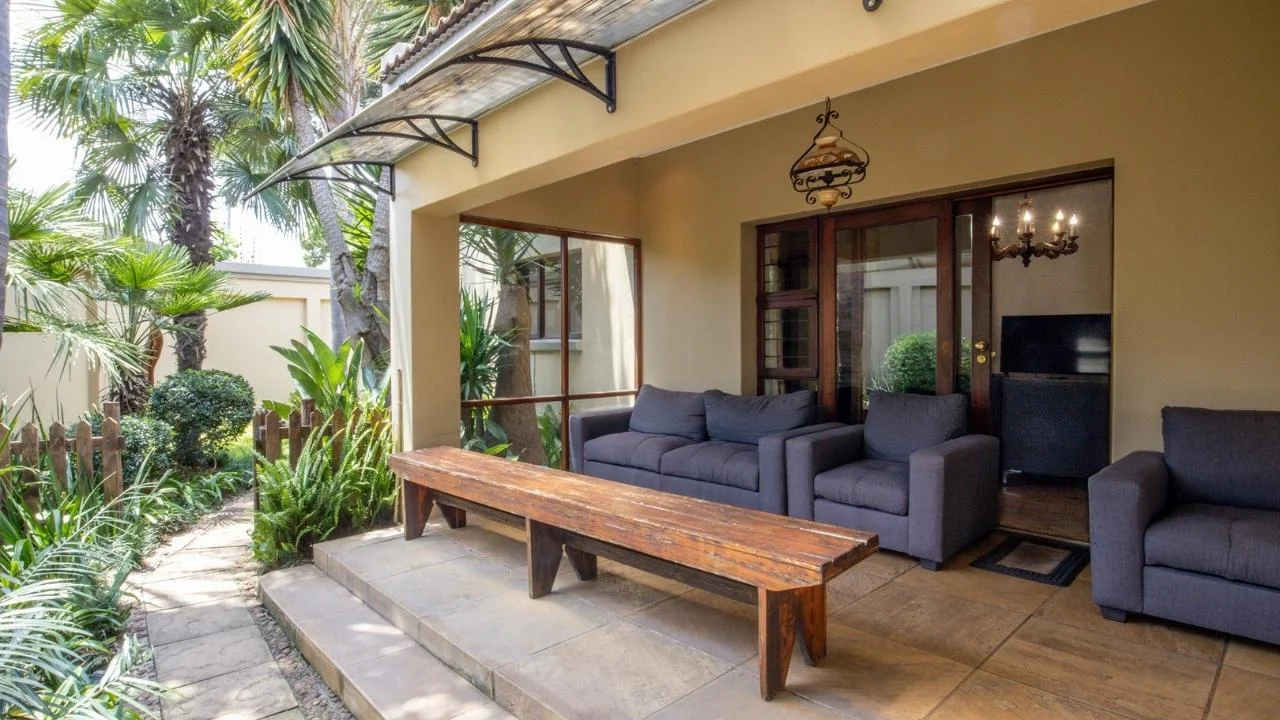
Sober Living Halfway Houses in Fairland and Melville

You do not have to manage this crisis on your own.
Our admissions team deals with complex family situations, medical aid questions and high-risk cases every day. We help you make a clear decision and move quickly when it matters.
Quick Check: Is Long Term Rehab the Right Step?
This is a short, private self-assessment. It walks through a few questions about emotional fragility and the behavioural and family-stress patterns that tell you whether going straight home after primary treatment would be unsafe. Answer honestly, and you will get a clearer sense of whether secondary care is the right next step.