







Medically Managed Alcohol and Drug Detoxification
Stopping is incredibly hard. Staying safe while you detox is critical. Our clinical team provides 24-hour medical monitoring to manage the physical crisis of withdrawal and stabilise the body for recovery.
Medical detox helps people withdraw from alcohol, drugs, or certain prescription medication with clinical supervision, monitoring, and medication where appropriate.
At Changes Rehab in Northcliff, detox is not treated as recovery by itself. It is the first stabilisation phase before structured inpatient addiction treatment begins. Detox may be especially important when someone has been using alcohol, benzodiazepines, opioids, multiple substances, or medication in a way that creates physical dependence.

Contact Changes Rehab or call 081 444 7000 for a confidential conversation.
Medical Detox in Johannesburg: What Families Need to Know
Detox manages withdrawal. It does not treat addiction by itself. At Changes Rehab in Northcliff, Randburg, medical detox is used to stabilise the person before structured inpatient addiction treatment begins.
People in crisis need clear answers. The admissions process helps assess whether the person is clinically suitable, whether detox monitoring is needed, whether medical aid authorisation applies, and whether the patient can move into inpatient rehab in Johannesburg after detox.
Who Supervises Detox at Changes Rehab?
Detox at Changes Rehab is medically managed by Dr Ayesha Jacub, GP. She is responsible for medical assessment, prescribing, monitoring withdrawal risk, and reviewing the patient’s physical stability during detox. Dr Thea van der Merwe, psychiatrist, provides psychiatric input where clinically indicated. Nursing staff provide 24-hour observation, while the multidisciplinary team plans the transition into structured inpatient treatment.
What Happens in the First 24 Hours?
- Admission and clinical intake
- Substance use history and withdrawal history
- Medical and psychiatric screening
- Medication where clinically appropriate
- 24-hour nursing observation
- Monitoring of withdrawal symptoms and risk signs
- Family communication where appropriate and consented to
- Planning the transition into inpatient addiction treatment
Does Medical Aid Cover Detox?
Many South African medical aids fund medically indicated inpatient addiction treatment, which may include detox as part of authorised care. Cover depends on the scheme, benefit option, clinical motivation, authorisation, available benefits, and admission criteria.
Changes Rehab can assist Gauteng families with the admissions process and explain what information is usually needed for medical aid authorisation.
Detox manages withdrawal. It does not treat addiction by itself.
At Changes Rehab in Northcliff, Randburg, medical detox in Johannesburg is used as the first stabilisation phase before structured inpatient addiction treatment begins. The aim is to help the person withdraw from alcohol, drugs, or certain prescription medication with clinical supervision, monitoring, and medication where appropriate.
Detox is often the point where families realise addiction is not only behaviour. Withdrawal can involve medical risk, psychological panic, emotional instability, and physical distress. This is why detox should not be treated as the finish line. It prepares the person for recovery, but it does not replace treatment.
After detox, patients should move into structured inpatient rehab in Johannesburg where the emotional, psychological, behavioural, psychiatric, and family-related parts of addiction are addressed. Without that next phase, the body may be free from substances while the drivers of relapse remain untreated.
A multidimensional assessment should take place early in the rehab process. This includes substance use history, medical history, psychiatric presentation, family context, trauma history, current functioning, relapse risk, and treatment planning.
Collaboration between competent addiction professionals is necessary to move beyond the immediate physical detox concerns and into a unified long-term treatment plan.
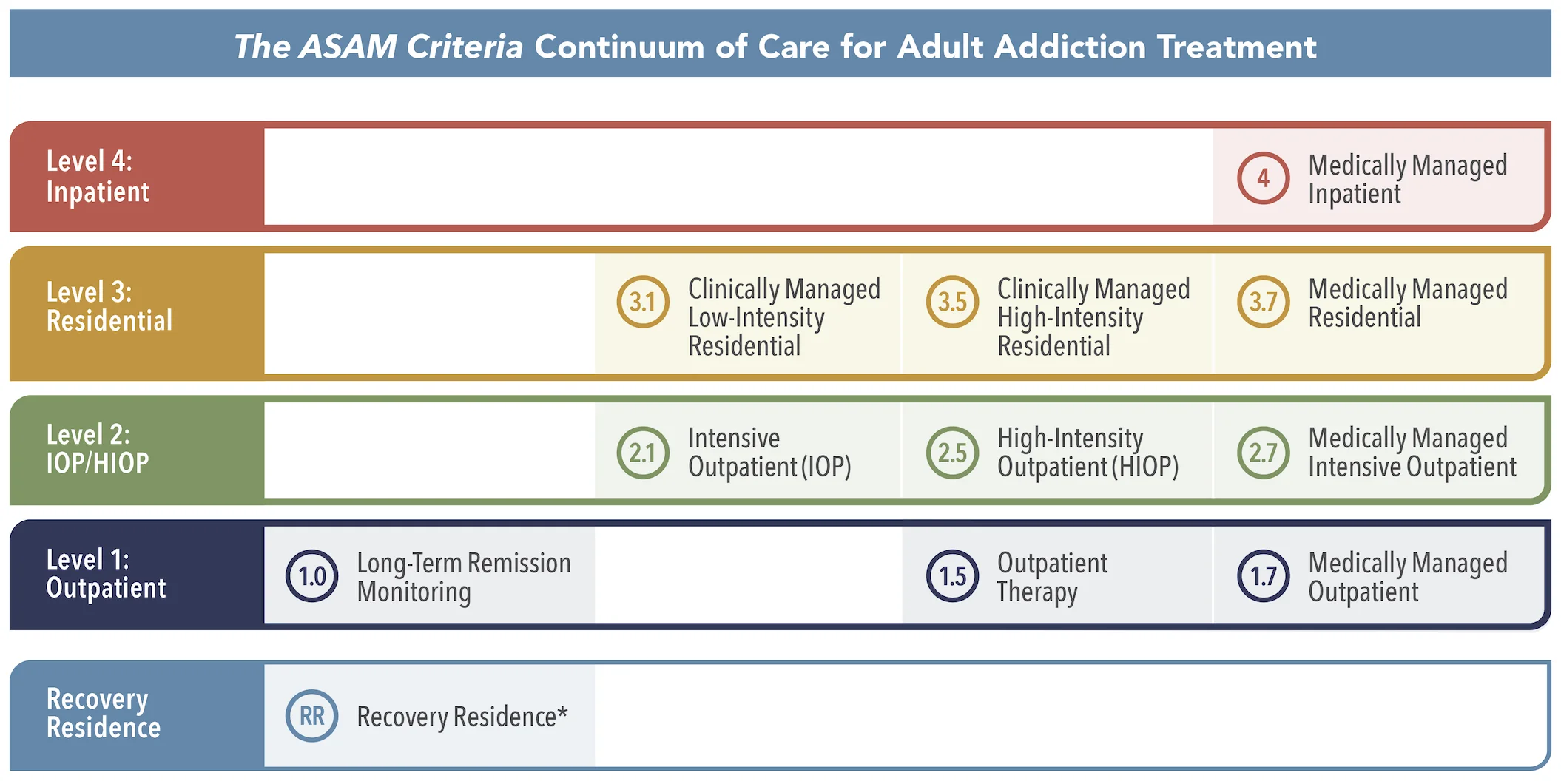
Detox Is A Serious Adjustment for the Body
Families often imagine detox through the lens of films, extreme online stories, and worst-case scenarios. That picture is usually misleading.
Medical drug and alcohol detox is not about leaving someone to suffer through withdrawal. In a supervised setting, the aim is to assess risk, reduce distress, monitor symptoms, prescribe medication where clinically appropriate, and help the person stabilise safely enough to begin treatment.
Some patients experience mild withdrawal symptoms. Others may feel anxious, restless, shaky, nauseous, tearful, irritable, or physically uncomfortable. Sleep and appetite may also be affected in the early phase. The severity depends on the substance used, how long it was used, the person’s physical health, psychiatric history, previous withdrawal history, and whether more than one substance is involved.
At Changes Rehab in Northcliff, Randburg, detox happens under clinical supervision with 24-hour nursing observation, medical assessment, and psychiatric input where indicated. The goal is not drama. The goal is stabilisation.
Detox can still be medically serious, especially with alcohol, benzodiazepines, opioids, mixed substances, or patients with previous seizures, confusion, severe agitation, or unstable health. That is why supervised detox matters. It allows the team to respond early, manage symptoms, and move the patient into structured inpatient addiction treatment. Detox is not the same for every substance. Alcohol, benzodiazepines, opioids, stimulants, prescription medication, and mixed substance use each carry different withdrawal risks and treatment needs. Alcohol withdrawal can become medically serious, especially after heavy or long-term use. Medical supervision helps monitor risk signs, reduce distress, and manage withdrawal safely. Benzodiazepines, including some sleeping tablets and tranquillisers, should not be stopped suddenly after prolonged or high-dose use. A medically supervised plan is safer. Opioid withdrawal is often physically and emotionally difficult. Medical support can help manage symptoms, monitor dehydration risk, and prepare the person for ongoing treatment. Prescription medication misuse needs careful assessment. Detox planning depends on the medication, dose, duration of use, medical history, mental health, and other substances involved. Stimulant withdrawal can involve exhaustion, low mood, agitation, cravings, sleep disruption, and emotional instability. Psychiatric input may be needed where mood risk is present. Mixed substance use can make withdrawal harder to predict. Clinical assessment helps identify which risks need to be stabilised first.
Detox by Substance
Alcohol Detox
Benzodiazepine Detox
Opioid Detox
Prescription Medication Detox
Stimulant Withdrawal Support
Poly-Substance Detox
When Detox Becomes a Medical Risk
Withdrawal is not the same for every person. Some withdrawal symptoms are uncomfortable but manageable with support. Others can become medically serious and need close monitoring.
Alcohol and benzodiazepine withdrawal carry the highest medical risk, especially after heavy, prolonged, or daily use. These withdrawals can involve seizures, confusion, severe agitation, blood pressure changes, and delirium. People with previous seizures, unstable health, mixed substance use, or severe withdrawal symptoms should not attempt detox without medical supervision.
Opioid withdrawal is usually less likely to be fatal than alcohol or benzodiazepine withdrawal, but it can still be severe. Symptoms may include body pain, nausea, vomiting, diarrhoea, dehydration, insomnia, anxiety, and intense cravings. Medical support helps reduce distress, monitor risk, and keep the person engaged long enough to move into treatment.
Stimulant withdrawal can look different. The medical risk is often linked to mood, sleep disruption, agitation, depression, anxiety, exhaustion, and psychiatric instability. This is why assessment matters. The clinical team needs to understand the substance used, duration of use, mental health history, medical history, and previous withdrawal pattern before deciding the safest plan.
Clinical withdrawal management guidance separates withdrawal risks by substance and supports the need for substance-specific assessment, monitoring, and medical management during detox.
Detox Access in South Africa
In South Africa, access to medically supervised detox varies. Patients with medical aid may be able to access private inpatient treatment where medical assessment, psychiatric input, nursing observation, and medication are available when clinically indicated. Cover depends on the scheme, benefit option, clinical motivation, authorisation, and available benefits.
Families without medical aid often face harder choices. Some wait for state services. Others try to manage withdrawal at home. Some are drawn toward unregulated centres that promise quick detox without the medical structure needed to manage risk properly.
A safe detox setting should assess medical risk, monitor withdrawal symptoms, manage medication appropriately, and plan the next phase of treatment. Observation alone is not the same as medically managed detox.
Physical Stabilisation Is Not Recovery
Once withdrawal settles, families often feel relief. The person may look clearer, speak more calmly, eat again, sleep better, and seem more reasonable. That improvement matters, but it does not mean addiction has been treated.
Detox clears the body. It does not resolve the emotional, behavioural, psychiatric, family, and relapse-pattern parts of addiction. Without structured treatment after detox, the person often returns to the same triggers, routines, relationships, thinking patterns, and unresolved distress that kept the addiction going.
This is why detox should lead into inpatient treatment where clinically appropriate. Detox creates the conditions for treatment to begin. Therapy, structure, routine, psychiatric care where needed, relapse-prevention work, family involvement, and aftercare planning are what turn stabilisation into a recovery plan.
Medication-Assisted Detox
Medication may be used during detox where clinically appropriate. It is not used to avoid recovery work. It is used to reduce risk, manage withdrawal symptoms, support sleep and hydration where needed, and help the person stabilise safely enough to begin treatment.
Medication decisions should be based on clinical need, not ideology. Alcohol, benzodiazepines, opioids, prescription medication misuse, mixed substance use, and psychiatric symptoms all require different assessment and planning. Clinical guidance on medical drug and alcohol detox supports the use of structured withdrawal management when symptoms and risks need medical support.
At Changes Rehab, medication during detox is prescribed, reviewed, and adjusted according to clinical need. Its purpose is safety, stabilisation, and withdrawal management.
Why Families Misread Detox as the Turning Point
Families often feel huge relief after detox. The person is no longer intoxicated. The immediate chaos settles. Conversations may become easier. Sleep and appetite may start returning. It is natural to hope the crisis has passed.
The risk is assuming that physical stabilisation means recovery. Detox does not rebuild coping skills. It does not repair family damage. It does not treat trauma, mood instability, denial, cravings, distorted thinking, or relapse risk. It only gets the person stable enough to begin that work.
Families should treat detox as the first clinical step, not the final achievement. The stronger move is to use the detox window to keep momentum and move directly into structured inpatient addiction treatment.
The Clinical Reality of Detox
Detox is a monitored clinical process. Nurses observe withdrawal symptoms, hydration, sleep, agitation, blood pressure, temperature, and other risk signs. Doctors prescribe and adjust medication where clinically appropriate. Psychiatric input may be needed when mood, anxiety, confusion, psychosis, or safety concerns are present.
As the person stabilises, the treatment team begins to understand what needs to happen next. Substance use history, mental health, physical health, family context, trauma history, relapse pattern, motivation, and risk level all inform the treatment plan.
Detox is not only about getting substances out of the body. It is also the point where proper assessment becomes clearer and the next phase of care can be planned.
Treatment Is Where Change Happens
Detox prepares the patient for treatment. It does not teach recovery by itself.
Once the body stabilises, the work shifts to structured inpatient addiction treatment, therapy, routine, emotional regulation, psychiatric care where needed, relapse-prevention planning, family involvement, accountability, and aftercare. These are the parts of treatment that help a person build a life without returning to the same cycle.
Detox is the doorway into treatment. The recovery work begins after stabilisation.
Medical Detox FAQs
What is medically managed detox?
Medically managed detox is a supervised withdrawal process. Doctors, nurses and the treatment team assess risk, monitor symptoms, prescribe medication where clinically appropriate, and help the person stabilise before treatment begins.
Is alcohol detox dangerous?
Alcohol withdrawal can become medically serious, especially after heavy or long-term use. Risks can include seizures, confusion, severe agitation, blood pressure changes and delirium. Medical advice is important before stopping suddenly.
Is benzodiazepine detox dangerous?
Yes. Benzodiazepine withdrawal can be medically risky, especially after prolonged or high-dose use. Sudden stopping can increase the risk of severe withdrawal symptoms and seizures. A medically supervised plan is safer.
Can I detox at home?
Home detox is not suitable for many people. Heavy alcohol use, benzodiazepine use, opioid dependence, previous seizures, severe agitation, confusion, pregnancy, serious illness or mixed substance use should be assessed medically.
How long does detox take?
Detox length depends on the substance, amount used, duration of use, physical health, psychiatric risk and previous withdrawal history. Acute withdrawal is often managed over several days, but full stabilisation may take longer.
Will I receive medication?
Medication may be prescribed where clinically appropriate. During detox, medication is used to support safety, reduce withdrawal risk, manage symptoms and help the person stabilise enough to enter treatment.
Does medical aid cover detox?
Medical aid may cover detox when it forms part of authorised inpatient addiction treatment. Cover depends on the medical aid scheme, benefit option, clinical motivation, authorisation and available benefits.
What happens after detox?
After detox, the person should move into structured inpatient addiction treatment. Detox clears the body, but treatment addresses relapse patterns, emotional regulation, psychiatric concerns, family dynamics and recovery planning.
Can someone be admitted urgently?
Urgent admission depends on clinical suitability, bed availability, medical aid authorisation where applicable, and risk level. Families should phone admissions directly when alcohol, benzodiazepines, opioids, confusion or safety risks are involved.
Is detox the same as rehab?
No. Detox manages withdrawal and physical stabilisation. Rehab is the structured treatment phase where addiction, behaviour, mental health, relapse risk and family patterns are addressed.