






Are the higher fees of private licensed rehabs justified by safer, more effective care than under resourced public facilities in Johannesburg?
How Much Does Rehab Cost in Johannesburg?
Most people searching for help are terrified of two things: the idea of treatment itself, and the cost of it. Money becomes the one question nobody wants to ask out loud, even though it’s usually the first one on their mind. The truth is simple: addiction treatment is professional healthcare, delivered by trained clinicians in a private facility, and like any professional service in South Africa’s private medical system, it comes with costs. But the myth that “rehab is unaffordable unless you’re rich” or that “private treatment is thousands of rands out of reach” usually comes from not knowing how medical aids work, not knowing what costs are actually involved, and not understanding the enormous financial damage untreated addiction creates over time.
At Changes Addiction Rehab, we don’t hide the numbers or bury them under hopeful language. We’re upfront because transparency gives families a sense of control at a time when everything else feels overwhelming.
How Much Does Rehab Cost at Changes?
These are the current cash rates at Changes, for people paying without medical aid or covering a gap. Each figure covers the full clinical service: the medical team, 24-hour supervision, and the therapeutic programme for that stage of care.
| Programme | Length | Cash Rate |
|---|---|---|
| Primary inpatient | 24 days | R47,000 |
| Primary inpatient | 28 days | R52,000 |
| Primary inpatient | 42 days | R70,000 |
| Secondary (long-term) | Per stay | R29,000 |
| Tertiary (halfway house with outpatient) | Per stay | R24,000 |
Most people do not pay the full cash rate. Medical aid usually covers a large part of inpatient treatment, which brings the out-of-pocket figure down. How that works is covered further down the page.
What Affects the Cost of Rehab
No two treatment plans cost the same, because no two people arrive with the same clinical needs. A few things move the final figure more than anything else.
- Level of care: primary inpatient costs more than secondary or tertiary, because it is the most intensive and most staffed phase.
- Length of stay: a 24-day programme costs less than a 42-day one, and longer stays suit more severe dependencies.
- Medical needs: a complex detox or a co-occurring mental health condition needs more clinical input.
- Medical aid cover: what your scheme pays changes your out-of-pocket cost more than any other single factor.
Not everyone needs the most intensive option. During assessment the clinical team matches you to the right level of care, so you are not paying for more containment than the situation calls for, or being placed somewhere that cannot keep you safe.
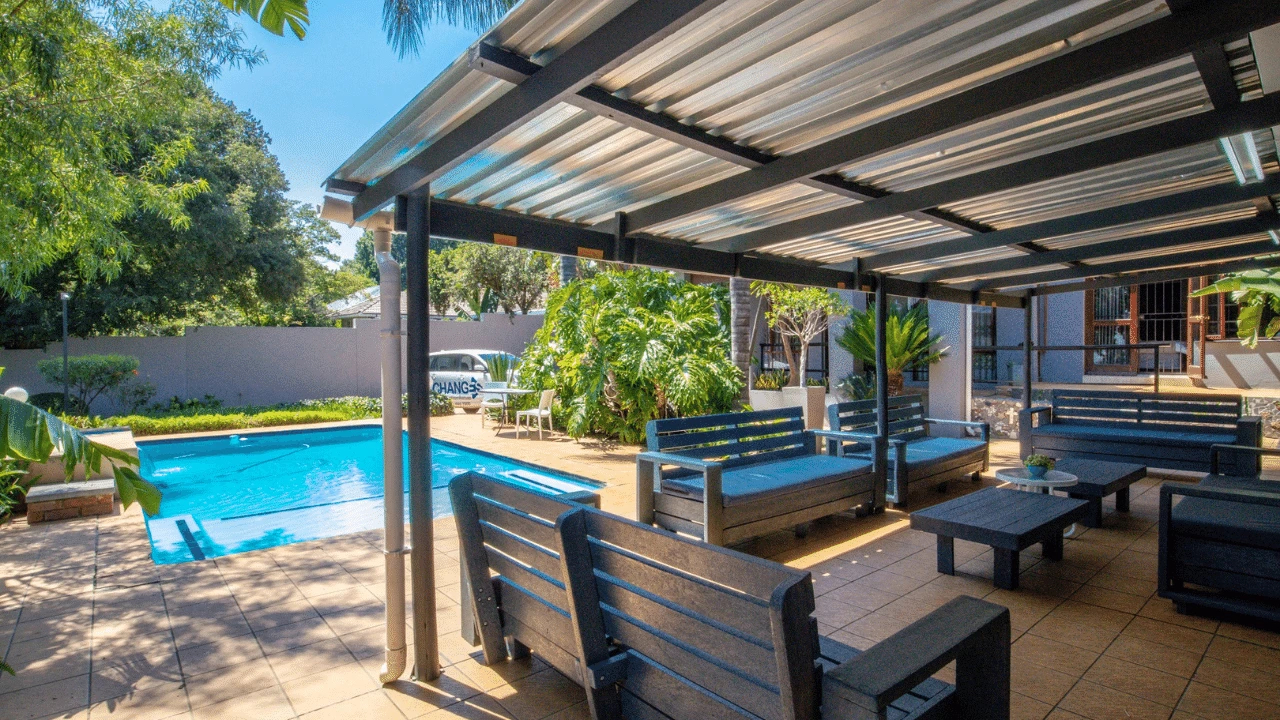
Inpatient Detox
Primary Care Rehab in Northcliff, Johannesburg
The Northcliff facility is a 16-bed clinical unit set up for safe medical detox and the first weeks of recovery. A nurse is on-site 24 hours a day to manage withdrawal, alongside daily group therapy, individual counselling, and dietary-aware meals. The location is quiet and residential, twenty minutes from Sandton and fifteen from Randburg, which matters when families need to attend therapy sessions.









What Your Treatment Fee Covers
The fee reflects the level of clinical care needed to stabilise someone whose addiction has reached the point of needing residential treatment. It is not a room rate. It pays for the people and the systems that keep treatment safe and effective, including:
- On-site medical staff and psychiatric oversight
- Recovery assistants trained to manage crisis escalation
- Detox infrastructure and emergency protocols
- Documented treatment plans and multidisciplinary case meetings
- Legal compliance, healthcare audits, and hygiene standards
- Meal provision and trauma-informed practice
This is not a retreat. It is a medical environment where people arrive suicidal, psychotic, withdrawing, or physically unstable, and staff have to be ready for all of it. Treating addiction without proper licensing is both dangerous and illegal. South Africa is full of unregulated “rehab houses” charging cheap rates that end up costing families far more, because they offer no medical safety, no clinical accountability, and no real treatment.
How Medical Aid Reduces What You Pay
Most South African medical schemes cover a substantial part of inpatient rehab when the admission is pre-authorised correctly. Substance use disorder is a recognised condition, so cover is often available rather than fully out of pocket. Changes handles the pre-authorisation, the ICD-10 coding, and the motivation letters in-house, so your cost picture is clear before you arrive.
What you pay out of pocket depends on your scheme and your plan. For how your specific medical aid handles rehab, read the guide for Discovery, Bonitas, GEMS, Fedhealth or Bankmed. There is also a general medical aid rehab guide.
When Money Is Tight
The hardest cost to see is the cost of doing nothing. Untreated addiction drains money through lost income and medical bills, and the damage often outlasts the addiction itself. It does not wait for a better financial moment. Treatment is the point where that spend stops.
No reputable rehab expects every family to fit the same budget. At Changes the team looks at your medical aid and your resources against the clinical need before finalising a plan, so treatment does not collapse because someone cannot fund the longest stay. Be honest about what you can afford and the team will build the safest plan that fits.
Bespoke Programs Mean Bespoke Costs
Not every person needs inpatient treatment, and not every person should be admitted. Some people come to Changes after an assessment and discover that an outpatient program is safer, cheaper, and clinically more appropriate. Some benefit from daily intensive outpatient work. Some need weekly therapy. Some join free support groups and family sessions while building up stability. Others need long-term residential care because their risk factors are high. Costs reflect these differences, because treatment is built around the individual, not around a one-size-fits-all package.
A working professional may attend a structured outpatient program while continuing work. A teenager might need family systems therapy rather than residential care. Someone coming out of relapse might need a short stay, not a full Primary cycle. A parent might join the free family support program for months before deciding on next steps. The point is simple: the cost depends on the level of risk, the phase of treatment, and the clinical plan, not on what someone is “sold.”
CONFIDENTIAL · NO OBLIGATION
Worried about someone you love? Talk to us.
Let's look at your options, check medical aid cover and plan the next step.
One conversation. No pressure.
Assessment
A private clinical assessment clarifies risks, co-occurring concerns, and immediate next steps. We gather history, current symptoms, medications, and family input to match the right level of care. If admission is appropriate, we help you plan timelines and documentation so things move quickly. Learn how assessments work and what to expect on the day.
Withdrawal is managed under medical oversight to reduce risks and improve comfort. Nursing support is available 24/7, with medication protocols tailored to clinical need. Detox prepares patients for therapeutic work—sleep, nutrition, and stabilisation come first. See what to bring, typical timelines, and how we coordinate pre-authorisation.
The first 21–42 days focus on routine, safety, and daily therapy. Patients engage in individual and group sessions, psycho-education, and family contact where appropriate, supported by a multidisciplinary team. Primary care builds early momentum for change and prepares the plan for the next stage.
Secondary care deepens the work on patterns, triggers, and trauma in a calmer setting. With structured days, therapeutic groups, and coached routines, patients practise skills that hold at home. Families are updated and involved appropriately. Explore typical lengths of stay and why secondary care improves long-term outcomes.
For step-down care or when residential treatment isn’t possible, outpatient combines evening groups, one-to-one therapy, and accountability. The focus is integrating recovery into daily life—work, study, and family responsibilities—while maintaining structure and support.
Sober living provides a structured, supportive home environment with curfews, chores, coached routines, and ongoing therapy. It bridges the gap between inpatient treatment and independent living, reinforcing accountability and community while returning to work or study.
Patients learn how to spot risk early and respond fast—managing triggers, cravings, and high-risk situations. We build practical routines, communication plans, and support networks, with clear steps families can take too. See typical tools and how they’re practised before discharge.
Continuing care sustains progress after discharge: scheduled check-ins, group support, individual sessions where needed, and a plan for setbacks. We coordinate with families and community resources to keep recovery anchored in daily life.

Addiction and mental health treatment that connects the dots.
Changes Rehab Johannesburg has been in continuous operation since 2007, with a multidisciplinary team that treats substance use and co-occurring mental health issues under one roof.