







Rehab Facilities in Johannesburg: Three Sites Across Northcliff, Ruimsig and Joburg's Northern Suburbs
Are you or a loved one seeking medically supervised, trauma informed addiction care in Johannesburg with round the clock nursing and structured residential support?
Changes Rehab operates rehab facilities in Johannesburg across four locations, a 16-bed primary care site in Northcliff, a 20-bed secondary residential facility in Ruimsig, and two halfway houses in Fairland and Melville. All four sites share the same clinical team, 24-hour nursing, and medical aid pathway. Most South African medical schemes cover the bulk of an inpatient stay when admission is pre-authorised correctly.
Facilities at a Glance
Compare Changes Rehab’s Four Facilities
Each facility serves a different stage of recovery. Use the table below to see which fits your situation.
| Facility | Suburb | Beds | Stage | Typical Stay |
|---|---|---|---|---|
| Primary Care | Northcliff | 16 | Detox + early recovery | 21 to 42 days |
| River Manor (The Farm) | Ruimsig | 20 | Secondary residential | 8 to 12 weeks |
| Johannes House | Fairland | Halfway house | Sober living | 3 to 6 months |
| Auckland House | Melville | Halfway house | Sober living | 3 to 6 months |
Inpatient Detox
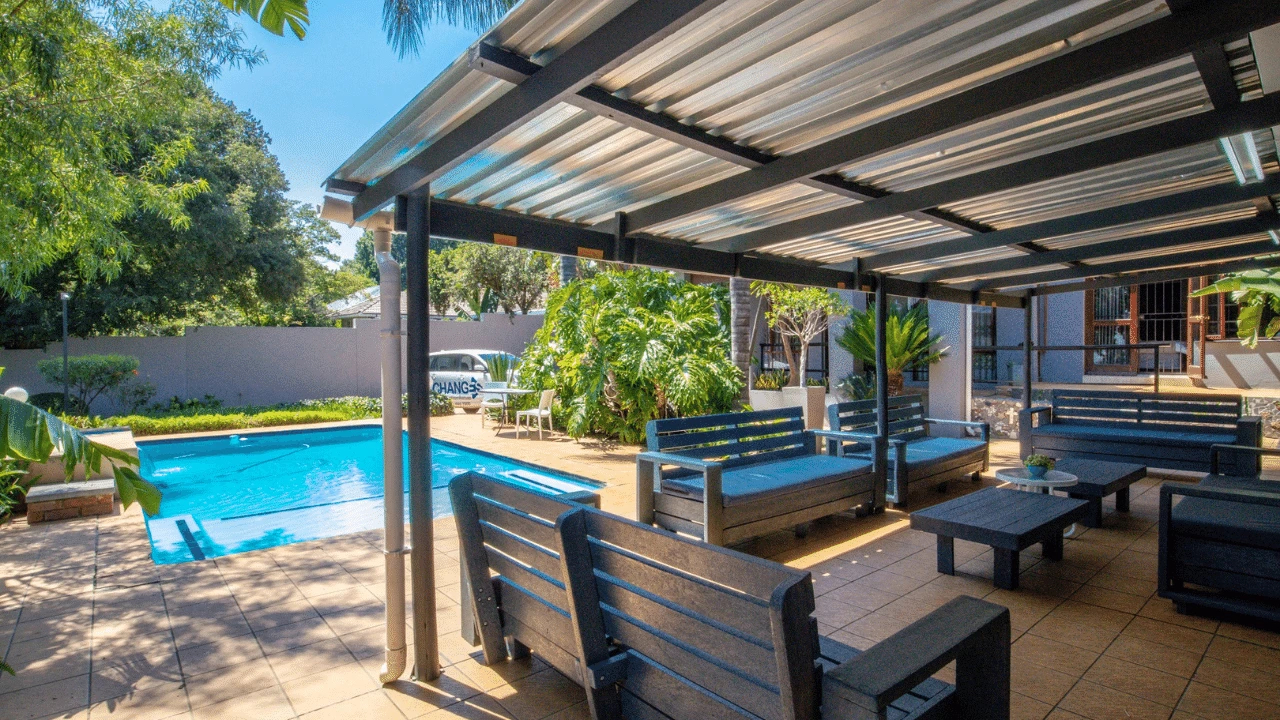
Primary Care Rehab in Northcliff, Johannesburg
The Northcliff facility is a 16-bed clinical unit set up for safe medical detox and the first weeks of recovery. A nurse is on-site 24 hours a day to manage withdrawal, alongside daily group therapy, individual counselling, and dietary-aware meals. The location is quiet and residential, twenty minutes from Sandton and fifteen from Randburg, which matters when families need to attend therapy sessions.
Long Term Rehab
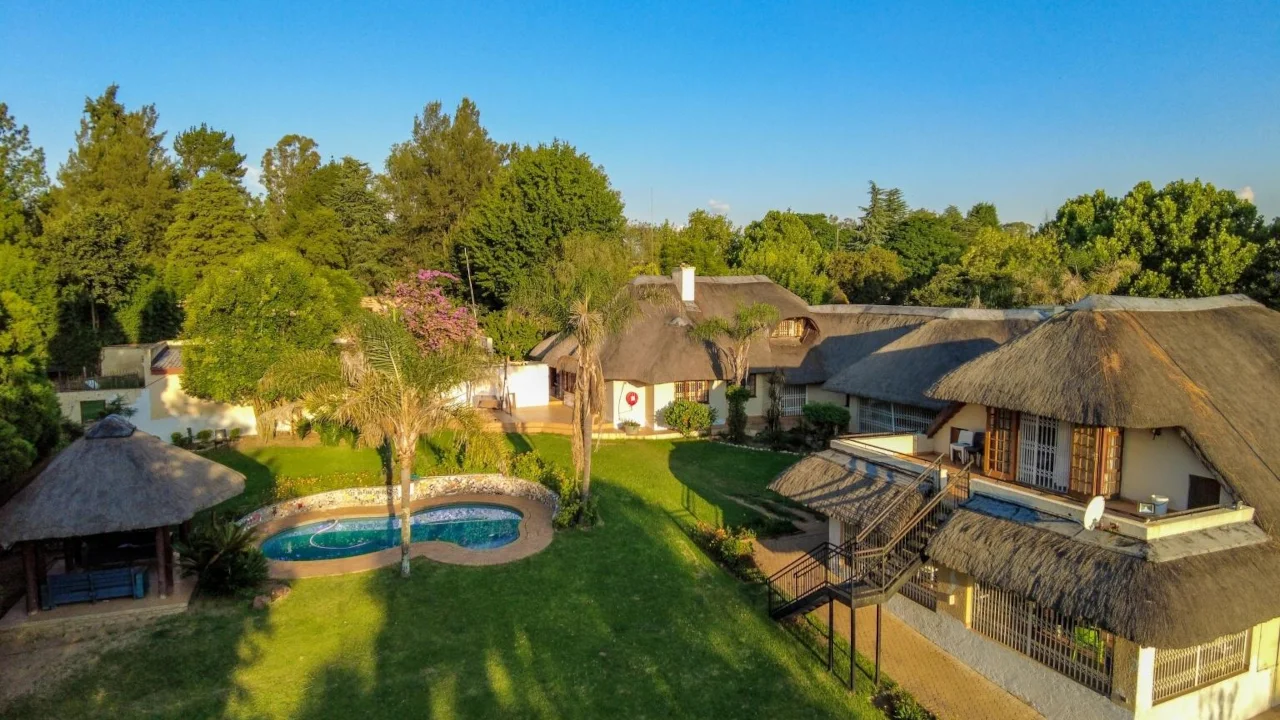
Secondary Care Rehab at River Manor, Ruimsig
River Manor, also known as 'The Farm', is a 20-bed secondary care facility in Ruimsig on Johannesburg's western edge. Clients move here from primary care for eight to twelve weeks of structured therapy, equine-assisted work, and the gradual return of personal responsibility. Nurses are on-site around the clock. The setting is rural enough to break the patterns that come with city life, but close enough that family weekends remain practical.
Sober Living Homes
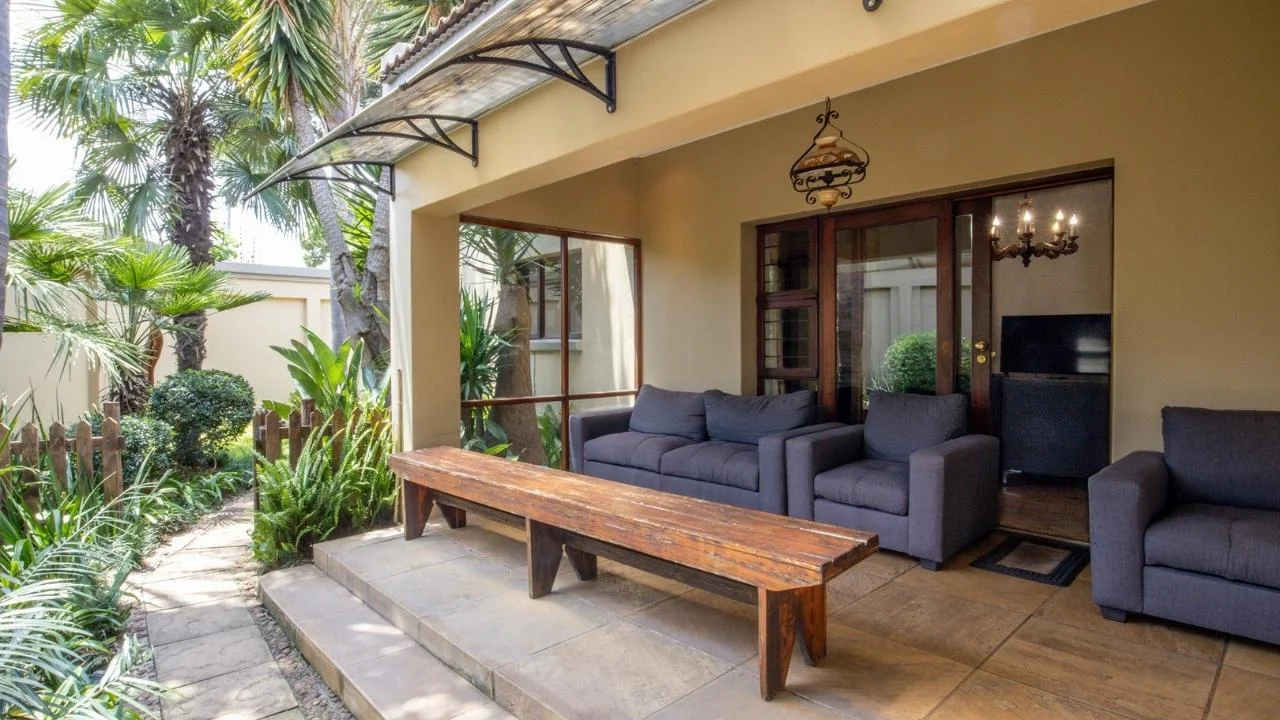
Sober Living Halfway Houses in Fairland and Melville
Changes operates two halfway houses for sober living: Johannes House in Fairland and Auckland House in Melville. Residents stay three to six months, holding down work or study, attending three group sessions a week, and meeting one-on-one with a counsellor. The houses are drug and alcohol free, with house meetings and curfews. Both suburbs are well-connected for public transport, so residents can resume daily routines without the cost of running a car.
CONFIDENTIAL · NO OBLIGATION
Worried about someone you love? Talk to us.
Let's look at your options, check medical aid cover and plan the next step.
One conversation. No pressure.
Changes Rehab admissions can talk you through treatment options, medical aid pre-authorisation, and what your out-of-pocket cost is likely to be. The first call is confidential and there’s no obligation to admit. We work with most South African medical schemes and handle the paperwork ourselves.
Assessment
A private clinical assessment clarifies risks, co-occurring concerns, and immediate next steps. We gather history, current symptoms, medications, and family input to match the right level of care. If admission is appropriate, we help you plan timelines and documentation so things move quickly. Learn how assessments work and what to expect on the day.
Withdrawal is managed under medical oversight to reduce risks and improve comfort. Nursing support is available 24/7, with medication protocols tailored to clinical need. Detox prepares patients for therapeutic work—sleep, nutrition, and stabilisation come first. See what to bring, typical timelines, and how we coordinate pre-authorisation.
The first 21–42 days focus on routine, safety, and daily therapy. Patients engage in individual and group sessions, psycho-education, and family contact where appropriate, supported by a multidisciplinary team. Primary care builds early momentum for change and prepares the plan for the next stage.
Secondary care deepens the work on patterns, triggers, and trauma in a calmer setting. With structured days, therapeutic groups, and coached routines, patients practise skills that hold at home. Families are updated and involved appropriately. Explore typical lengths of stay and why secondary care improves long-term outcomes.
For step-down care or when residential treatment isn’t possible, outpatient combines evening groups, one-to-one therapy, and accountability. The focus is integrating recovery into daily life—work, study, and family responsibilities—while maintaining structure and support.
Sober living provides a structured, supportive home environment with curfews, chores, coached routines, and ongoing therapy. It bridges the gap between inpatient treatment and independent living, reinforcing accountability and community while returning to work or study.
Patients learn how to spot risk early and respond fast—managing triggers, cravings, and high-risk situations. We build practical routines, communication plans, and support networks, with clear steps families can take too. See typical tools and how they’re practised before discharge.
Continuing care sustains progress after discharge: scheduled check-ins, group support, individual sessions where needed, and a plan for setbacks. We coordinate with families and community resources to keep recovery anchored in daily life.
You do not have to manage this crisis on your own.
Our admissions team deals with complex family situations, medical aid questions and high-risk cases every day. We help you make a clear decision and move quickly when it matters.