






What is Alcohol Poisoning?
Could drinking too much too quickly overwhelm your body and cause alcohol poisoning that requires urgent medical attention?
Talk to our admissions team
Alcohol poisoning is a medical emergency that happens when your blood alcohol concentration rises so high that your brain cannot control breathing, heart rate and body temperature properly. It is caused by drinking a large amount of alcohol in a short time, faster than your liver can process it.
This article explains what alcohol poisoning is, why it happens and who is most at risk. For SA emergency numbers and a step-by-step emergency response, go to our companion page on the effects of alcohol poisoning.
In an emergency right now? Call 10177 (ambulance), 112 (any mobile), ER24 on 084 124, or Netcare 911 on 082 911. Then go to our Effects of Alcohol Poisoning page for a full response guide.
What to do if you drank too much alcohol?
Make sure to drink plenty of fluids to stay hydrated. Water works, and so do electrolyte drinks or broth. Aim for clear urine, which shows you are well hydrated.
Get plenty of rest to help with tiredness. An antacid can help calm an upset stomach. The more you drink, especially quickly, the greater the chance of alcohol poisoning.
Why does someone vomit after drinking alcohol?
Alcohol can upset your stomach and make it produce more acid, which can cause discomfort and nausea. In some cases it makes you throw up. If someone ends up vomiting after drinking, it is just the body’s way of getting rid of the harmful stuff in the alcohol. It is a natural reaction to help clear out the toxins.
What to eat after alcohol poisoning?
Stick to the BRAT diet, which stands for bananas, rice, applesauce and toast. These bland foods are easy to digest and help settle a stomach that has been pushed hard by alcohol. Add plain broth, crackers or dry cereal as you start to feel better.
Is coke good for a hangover?
Some people drink a can of Coke or a strong coffee to feel better, but it only helps for a short time. A hangover is your body being dehydrated, and caffeine can actually make it worse by drying you out more. The best cure is plenty of water and rest. Time is the only thing that actually works, so do not be fooled by “quick fixes.”
What not to eat after drinking too much alcohol?
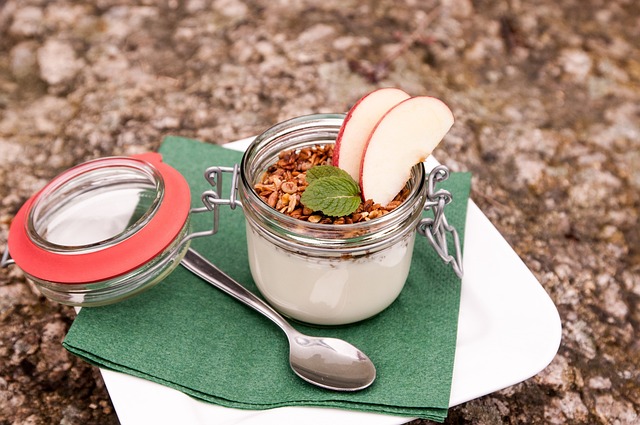 Try to stay away from greasy foods and anything loaded with sugar or caffeine, as these can make your symptoms worse. Instead, focus on drinking water or electrolyte drinks and eating bland foods like bananas or crackers.
Understanding Alcohol Poisoning
Alcohol poisoning is what happens when the amount of alcohol in your blood climbs faster than your liver can break it down. The liver processes roughly one standard drink per hour. Anything faster than that puts alcohol into the bloodstream as a toxin, and the effects quickly reach the parts of the brain that keep you alive.
Defining Alcohol Poisoning
Alcohol poisoning happens when a person’s blood alcohol concentration (BAC) becomes dangerously high. This occurs when the liver cannot process alcohol quickly enough, leading to a build-up of toxins in the body. The term “alcohol poisoning” reflects the serious nature of the condition, emphasising its potential to be life-threatening.
Alcohol poisoning is different from being drunk. It is a severe medical emergency that can cause lasting damage to the brain and other organs. The body treats alcohol as a poison, so drinking too much can overwhelm the system, leading to severe consequences such as coma or death.
How BAC Levels Translate to Effects
Blood alcohol concentration (BAC) measures how much alcohol is in your blood as a percentage. The higher the number, the more seriously alcohol is affecting your body. The table below shows how BAC levels correspond to impairment and when the threshold into alcohol poisoning is crossed.
| BAC level | Stage | What happens to the body |
| 0.02% to 0.04% | Mild impairment | Slight euphoria, loss of shyness, no obvious motor effects |
| 0.05% to 0.07% | Impaired judgement (SA legal limit: 0.05%) | Reduced coordination, slower reaction time, disinhibition |
| 0.08% to 0.15% | Significant impairment | Slurred speech, poor balance, impaired memory and reasoning |
| 0.16% to 0.29% | Stage 1 alcohol poisoning | Severe confusion, repeated vomiting, risk of blackout |
| 0.30% to 0.39% | Stage 2 alcohol poisoning | Loss of consciousness, slow or irregular breathing, hypothermia |
| 0.40% and above | Life-threatening | Coma, respiratory arrest, high risk of death |
BAC varies by body weight and biological sex, and by how fast drinks are consumed. A smaller person drinking quickly on an empty stomach can reach Stage 1 alcohol poisoning after four or five strong drinks in under an hour.
Identifying Symptoms of Alcohol Poisoning
 Spotting the signs of alcohol poisoning is crucial. Common symptoms include:
- Confusion and disorientation
- Vomiting
- Seizures
- Slow or irregular breathing
- Blue-tinged or pale skin
- Low body temperature
- Unconsciousness or passing out
A person with alcohol poisoning may not show all of these signs. If you cannot wake someone or they are choking while unconscious, treat it as a medical emergency. See our effects of alcohol poisoning guide for the full emergency response.
Evaluating Causes and Risk Factors
The main cause of alcohol poisoning is binge drinking, which means drinking a lot of alcohol in a short time. Factors that increase the risk of alcohol poisoning include:
- Drinking games or challenges
- Lack of food in the stomach
- Mixing alcohol with other drugs
- Low body weight or size
- Tolerance levels
- Speed of alcohol consumption
Young adults and teenagers are at higher risk because they may not understand their limits. People with alcohol use disorders are also more likely to experience alcohol poisoning due to frequent heavy drinking.
Alcohol content varies between drinks, so strong spirits reach a dangerous BAC faster than the same volume of beer or wine. For context on why South African binge patterns push young drinkers towards this line, see our piece on the binge drinking crisis.
What Happens at Hospital
Hospital Treatment
 Emergency responders will assess vital signs and level of consciousness. They may provide oxygen to help with breathing difficulties. At the hospital, doctors may perform:
- Intravenous (IV) fluids to prevent dehydration
- Blood sugar monitoring and glucose if needed
- Vitamins and minerals to prevent complications
- Gastric lavage (stomach pumping) in some cases
Severe cases may require intubation to protect airways or dialysis for alcohol removal.
Alcohol Poisoning Diagnosis
Diagnosing alcohol poisoning involves several steps:
- Physical exam to check vital signs
- Blood tests to measure alcohol levels
- Urine tests for drugs or other substances
- Glucose checks for low blood sugar
Doctors will also look for signs like:
- Slow or irregular breathing
- Low body temperature (hypothermia)
- Confusion or unresponsiveness
- Seizures
They will rule out other conditions with similar symptoms, such as diabetic coma or head injury.
Treatment and Recovery Options
Treatment aims to manage symptoms and prevent complications. Once the immediate danger has passed, medical detox is often the next step. Changes Rehab offers supervised medical detox in Johannesburg, with 24-hour clinical oversight.
- Continued IV fluids and electrolytes
- Thiamine (vitamin B1) to prevent brain damage
- Medications to stop vomiting
- Close monitoring of vital signs
Recovery time varies based on severity. Some people improve within 24 hours, while others may need several days of hospital care.
After discharge, follow-up care is crucial. This might involve:
- Substance abuse counselling
- Alcohol rehab treatment
- Liver function tests
- Assessment for alcohol dependence
Long-term recovery often requires addressing underlying alcohol use issues to prevent future episodes.
Getting Help After an Alcohol Poisoning Episode
Surviving one alcohol poisoning episode raises the odds of another one, especially when drinking is the core issue rather than a one-off mistake. The right response depends on how heavy the drinking has been.
If you or someone you love has just come home from hospital after an overdose, the first step is a confidential assessment. This is a free conversation with a clinician to work out what is really going on and what treatment would help.
If physical dependence has already set in, stopping suddenly is dangerous. Medical detox at Changes Rehab handles withdrawal safely with 24-hour supervision. Most South African medical aids cover addiction treatment, and our team manages the pre-authorisation paperwork for you.
Call 081 444 7000 or contact us to start the conversation. Everything discussed is held in confidence.
Preventing Alcohol Poisoning
Avoiding alcohol poisoning involves understanding how many drinks are too many, strategies to prevent excessive alcohol use, and recognising warning signs. These measures can help reduce the risk of severe health consequences and potential fatalities associated with excessive drinking.
Educating on Safe Alcohol Consumption
 Safe alcohol consumption involves knowing personal limits and understanding how alcohol affects the body. It is crucial to be aware of standard drink sizes and recommended daily intake.
For men, no more than 3-4 units per day is advised. Women should limit intake to 2-3 units daily. One unit equals:
- 25ml of spirits (40% alcohol)
- 76ml of wine (13% alcohol)
- 250ml of beer (4% alcohol)
Spacing drinks over time and alternating with water helps maintain control. Eating before and during drinking slows alcohol absorption.
It is important to understand that alcohol tolerance varies. Factors like body weight and metabolism influence how quickly someone becomes intoxicated. Overall health matters too.
Strategies to Avoid Overconsumption
To avoid alcohol poisoning, implement these strategies:
- Set a drink limit before going out
- Drink slowly, sipping rather than gulping
- Choose lower-alcohol beverages
- Avoid drinking games or competitions
- Do not mix alcohol with energy drinks
Stay hydrated by drinking water between alcoholic drinks. This helps slow consumption and reduces dehydration.
Designate a sober friend to monitor drinking levels. They can intervene if someone shows signs of overconsumption.
Avoid pressuring others to drink. Respect those who choose not to consume alcohol or wish to stop drinking.