






Alcohol and Anger: How Drinking Fuels Aggression and When to Get Help
Could alcohol be intensifying your anger and causing aggressive behaviour that risks your relationships and safety?
Talk to our admissions team

Alcohol and anger can escalate into aggression that damages relationships and puts safety at risk. This guide explains when drinking worsens mood and how alcohol-fuelled aggression takes hold, so you know when to seek professional help.
For some people, alcohol and anger go hand in hand. While some become more social or affectionate, others feel heightened emotions and end up in tears over things that would not normally upset them.
Aggressive behaviour fuelled by alcohol consumption can pose real risks to the drinker and to those around them. Minor provocations can trigger exaggerated outbursts, which makes an intoxicated person unpredictable and sometimes dangerous. This guide looks at why the link exists and how to manage aggression after drinking, and covers how to stay safe around someone who turns hostile.
When someone’s drinking has turned frightening, the alcohol addiction treatment team at Changes in Johannesburg can help you work out the safest next step.
Key Takeaways
- Alcohol can amplify emotions and cause some people to become more aggressive.
- Awareness and practical strategies can reduce aggressive tendencies after drinking.
- There are safe, effective ways to handle someone who becomes aggressive while intoxicated.
Exploring the Link Between Alcohol and Anger
Alcohol changes the brain in ways that make anger and aggression more likely. Understanding how helps you see the warning signs and respond before things escalate.
Lowered Restraint and Self-Control
Alcohol lowers self-restraint and weakens your ability to regulate impulses. This makes it harder to resist the urge to react in anger. Responses to provocation can be swift and intense, and the person may struggle to manage feelings of rage.
Cognitive Function Deterioration
Alcohol compromises judgment and problem-solving by altering the brain’s chemistry. This can lead someone to see anger as the only rational reaction. It can also cause them to misread situations, prompting hostility where none was intended.
 Diminished Empathy
Intoxication dulls a person’s capacity for empathy. After drinking, it is common to have reduced patience and tolerance, which can tip someone into an angry episode.
Contributing Factors
Several factors raise the likelihood of anger during intoxication:
- Excessive alcohol consumption in a single session
- A tendency towards anger regulation difficulties while sober
- Spending time with peers or family who react angrily after drinking
- Combining alcohol with caffeinated energy drinks
Research shows that alcohol raises aggression in both men and women, though the effect tends to be stronger in men.
An Overview of Influences
The table below summarises how each factor tends to affect behaviour.
| Influence | Effect on Behaviour |
|---|---|
| Impaired impulse control | Increases the likelihood of aggressive responses |
| Disrupted cognitive capacity | Affects judgment and can lead to confrontation |
| Reduced empathy | Less consideration for other people's perspectives |
| Binge drinking | Heightens the potential for aggression |
Recognising these underlying interactions between alcohol and aggressive conduct helps you understand and prevent alcohol-induced aggression.
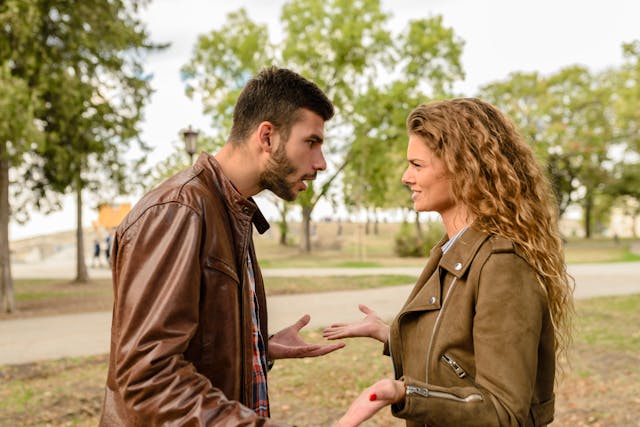 Managing Aggressiveness After Alcohol Consumption
If you know your drinking can tip into anger, these steps help you keep control and lower the risk of an aggressive episode.
- Pause before you react. Alcohol can cause a loss of emotional control, so give yourself a beat and think about how a clear-headed version of you would respond.
- Watch your intake. Avoid excessive drinking and go at a slower pace, which lowers the chance of losing control over your emotions and actions.
- Use relaxation techniques. Practices such as mindfulness build calm during high-stress moments and raise the self-awareness needed to manage anger.
- Reflect while sober. Talk over your angry episodes with a friend or therapist, which can reveal deeper issues, from stress and unresolved trauma to depression, that might be driving the behaviour.
- Cut down or stop. For some people the most effective way to prevent alcohol-induced aggression is to reduce their drinking or quit altogether, which also brings real health benefits.
- Get professional support. Outpatient treatment at Changes Addiction Rehab offers structured help such as medically assisted withdrawal. Cognitive Behavioural Therapy and group therapy then build the coping skills needed for lasting change.
Managing Situations Involving Alcohol-Fuelled Anger
When you are faced with someone who becomes aggressive through intoxication, staying composed is vital. Keep your own emotions in check, because responding in kind can make the situation more volatile. Breathing deeply and keeping a level head are the first steps.
Disengagement is often the safest response to a belligerent, intoxicated person. Consider your personal safety, and if you need to, remove yourself from the person’s vicinity to avoid escalating the hostility.
Where the situation allows, diverting the person’s attention can work well. Knowing the person makes it easier to find topics or activities that steer them away from their aggressive state.
Be cautious when engaging with an angry person, because phrases like “calm down” can provoke further anger. Instead, acknowledge their frustration without agreeing or dismissing it. Reassure them that their concerns will be addressed at a more appropriate time.
There can be a pattern of alcohol-induced aggression in cases of domestic abuse, or in relationships where one partner is struggling with alcohol dependency. If you are worried about a loved one’s drinking habits and the aggressive episodes that follow, then you are not overreacting. Help is available.
Who to Call If You Are Not Safe
If alcohol-fuelled anger has turned into threats or violence, your safety and your children’s safety come first, ahead of any conversation about treatment. Keep these numbers to hand and use them without hesitation.
- SAPS emergency: 10111, or 112 from a mobile phone, for immediate danger, violence or weapons.
- GBV Command Centre: 0800 428 428, a free 24-hour national line for gender-based violence, with a “Please Call Me” option by dialling *120*7867#.
- Childline South Africa: 0800 055 555, free and available 24 hours for any concern about a child’s safety.
- Emergency ambulance: 10177 for medical help, including someone in dangerous withdrawal.
Leave first and talk later. Get yourself and any children out of the firing line, avoid arguing with someone who is intoxicated, and only raise the subject of treatment once everyone is sober and physically safe. When that moment comes, the Changes team can help you plan a safe path into treatment.
Get Help Before the Next Blow-Up
You do not have to wait for another frightening night to act. If someone you love becomes a different person when they drink, that pattern rarely fixes itself. The right support can break the repeating cycle of drinking and remorse.
Changes Rehab in Johannesburg offers medically assisted detox and structured treatment for alcohol addiction, with a team that understands the anger and fear that come with it. When you are ready, we can pre-authorise the admission and walk you through medical aid and next steps. Call our admissions team on 081 444 7000 to talk it through, day or night.
Alcohol and Anger: Clients’ Questions
Why does alcohol flip irritation into full-on aggression?
Alcohol numbs your brakes before it slows your anger. The parts of the brain that manage impulse, tone and judgment go offline while the emotional system is still firing, which is why normal frustration turns into shouting, threats or violence once enough drinks have gone in.
If he only gets nasty when he drinks, is that really his responsibility?
Yes. Choosing to drink when you know you become abusive is still a choice, and blaming the bottle is just another way to dodge the fact that partners and children are living with fear, not moodiness.
Can withdrawal make someone more aggressive and unsafe at home?
Severe alcohol withdrawal can bring agitation, paranoia and rage. White-knuckle quitting in a lounge with children around is reckless, and anyone shaking, sweating or hallucinating needs medical detox, not another promise to calm down.
What should my family do tonight if alcohol anger is already out of hand?
Your first job is safety. Get children and yourself out of the firing line, avoid arguing with someone intoxicated, call for help if there is violence or weapons, and only talk treatment when everyone is sober and physically safe.
What actually helps reduce alcohol-driven aggression long term?
Long-term change needs sobriety, proper treatment, anger work and firm boundaries. Without consequences and support, the cycle of drinking, remorse and another blow-up usually just repeats with higher stakes.