






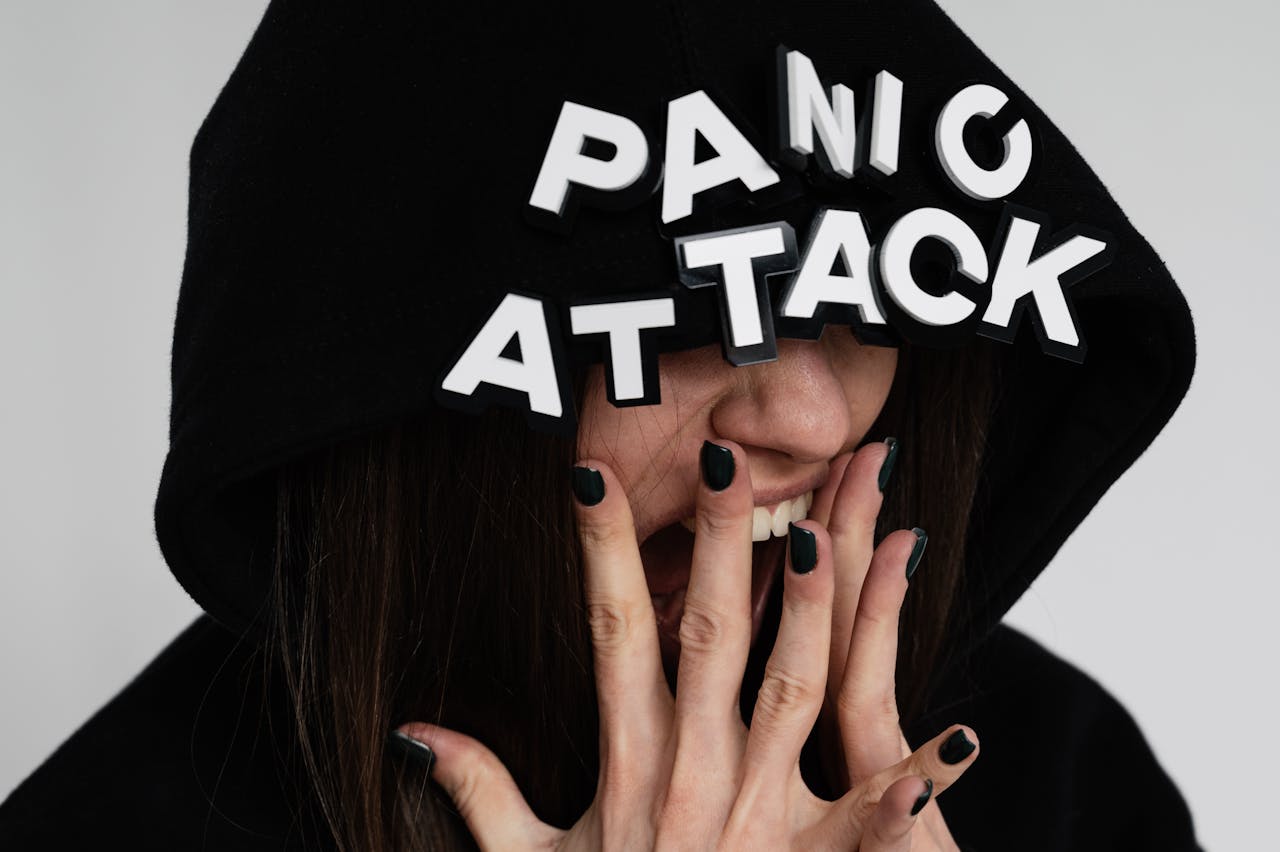
Alcohol and panic attacks are closely linked. Drinking might seem like a quick fix for anxiety, but it disrupts brain chemistry in ways that can trigger panic attacks and, over time, worsen your health and wellbeing.
If your panic attacks feel tied to your drinking, reaching out for professional help is one of the most useful steps you can take. Acknowledging the problem and seeking support is not a sign of weakness. It is a proactive move towards managing your health, and the Changes team in Johannesburg can help you understand what is happening and what to do next.
Key Takeaways
- Alcohol can worsen panic attacks and lock you into a harmful cycle.
- Professional support is the most reliable way to manage this condition.
- Healthier coping methods exist and work far better in the long run.
Alcohol and Panic Attacks: Why Drinking to Cope Backfires
Turning to alcohol to manage anxiety can lead to a cycle of worsening symptoms and health problems. At first, some people find that alcohol dulls the intense fear and physical symptoms of a panic attack, such as chest pain and shortness of breath.
That relief is misleading. Alcohol disrupts the brain’s chemistry, particularly neurotransmitters like serotonin and GABA that help regulate mood. As you drink more often, tolerance builds. You then need more alcohol to feel the same effect.
When the alcohol wears off, withdrawal symptoms can push anxiety even higher. That creates a vicious cycle of drinking to relieve the anxiety that the previous drinking caused. This pattern is especially harmful for anyone with panic disorder or generalised anxiety.
People who use alcohol to cope with panic attacks often find their anxiety does not fade over time. Alcohol-related anxiety can emerge on top of it and add more stress. Long-term misuse can also increase the risk of depression.
Managing panic attacks with alcohol is ineffective and damaging. Finding healthier, more sustainable coping methods is the way forward.
 Could Alcohol Trigger Your Panic Attacks?
You may experience intense bouts of anxiety, known as panic attacks, after drinking alcohol. These episodes are marked by a racing heart, dizziness and an overpowering sense of fear. Alcohol anxiety is more than an ordinary hangover symptom.
As your body processes alcohol, you might notice palpitations and trembling alongside dehydration and drops in blood sugar, all of which affect how you think and feel. These physiological changes can bring on restlessness and a sense of dread.
Recognising alcohol-induced anxiety matters. If panic attacks are a frequent aftermath of drinking, it is time to reflect on your alcohol consumption and consider expert advice to manage the cycle.
The table below shows why the short-term relief does not last.
| What Alcohol Seems to Do | What Actually Happens |
|---|---|
| Calms nerves in the moment | Rebounds into sharper anxiety as it wears off |
| Helps you fall asleep | Fragments sleep, which worsens next-day panic |
| Quietens racing thoughts | Disrupts serotonin and GABA that steady mood |
| Feels like it is under control | Builds tolerance, so you need more for less relief |
Effective Management of Alcohol Dependency and Anxiety
People struggling with alcohol dependency often face mental health challenges such as panic attacks at the same time. Because the two are linked, treatment works best when it addresses both together rather than separately.
One of the first steps is joining an addiction treatment programme. These often involve a period of residence at a rehabilitation centre, where you can explore the reasons behind your drinking in a safe, supported setting.
Therapy plays a key role too. It offers a confidential space to work through personal difficulties and build emotional awareness. Options range from intensive day programmes to weekly one-hour sessions.
In some cases medication is introduced, particularly where panic attacks are severe. These medications are chosen carefully to avoid addiction risks, and they support rather than replace therapy. Together, these approaches help people dealing with alcohol addiction and anxiety regain control of their lives.
 Managing Anxiety in a Healthy Way
Once alcohol is out of the picture, you need reliable ways to handle anxiety that do not feed the cycle. The good news is that healthy coping skills work, and they get stronger with practice. To calm anxiety after drinking, rehydrate and eat something, then rest and slow your breathing. From there, build the longer-term habits below.
- Move your body regularly, since exercise burns off stress hormones and steadies your mood.
- Practise slow, deep breathing when panic rises, because it signals your nervous system to settle.
- Use grounding and relaxation methods such as progressive muscle relaxation to interrupt the spiral.
- Protect your sleep, since poor sleep and alcohol both make anxiety worse.
- Lean on people, whether a support group, a friend or a therapist, rather than facing it alone.
These skills help, but when alcohol and anxiety are tangled together, self-help alone is often not enough. That is where treatment for both conditions at once becomes important.
How Changes Helps With Dual Diagnosis
When a mental health condition like an anxiety or panic disorder sits alongside an alcohol problem, that is a dual diagnosis. Treating only one side tends to leave the other to pull you back. Changes Rehab treats both together through its dual-diagnosis programme for anxiety and addiction, so the drinking and the anxiety are addressed as one linked problem rather than two separate ones.
In practice that means a medical team to manage withdrawal safely, therapists who understand how alcohol and anxiety feed each other, and a plan that treats the root causes rather than just the symptoms. If you suspect your panic attacks and your drinking are connected, this combined approach gives you the best chance of lasting relief.
When you are ready, our admissions team can pre-authorise your treatment and walk you through medical aid and the next steps. Call us on 081 444 7000 to talk it through, day or night.
Frequently Asked Questions
Can drinking alcohol cause panic episodes?
Yes, drinking alcohol can provoke episodes of panic. Some people find alcohol relaxing at first, but it can later trigger a sudden onset of panic symptoms such as a rapid heartbeat, a feeling of dread and shortness of breath.
How long do alcohol-induced panic attacks last?
Most panic attacks peak within about 10 minutes and ease over roughly 20 to 30 minutes, though alcohol can drag the underlying anxiety out for hours or into the next day. Rebound anxiety after heavy drinking often shows up the morning after, as the body processes the alcohol and blood sugar and sleep are disrupted. If attacks are frequent or long-lasting, that is a sign to seek assessment.
How are panic and anxiety attacks different?
A panic attack usually comes on abruptly and involves intense, overwhelming fear, often with physical symptoms like chest pain, heart palpitations and shortness of breath. Anxiety tends to build more gradually and is generally tied to a specific worry or stressor.
How can I manage panic attacks without medication?
You can manage panic attacks without medication by exercising regularly and practising mindfulness and deep breathing. Using relaxation methods such as progressive muscle relaxation helps too. Support from peer groups or therapy makes these techniques more effective.
How is alcohol withdrawal related to panic attacks?
There is an established link between alcohol withdrawal and panic attacks. As you stop or cut down after prolonged drinking, your nervous system reacts to the missing alcohol, which can bring heightened anxiety and panic.
What is the long-term impact of alcohol on anxiety and panic disorders?
Long-term drinking can worsen anxiety and panic disorders. Chronic alcohol use alters the brain’s chemistry and neurotransmitter balance, which can raise anxiety levels and make panic attacks more frequent and severe over time.
Can alcohol interact with panic attack medication?
Alcohol can interact with medications prescribed for panic attacks, often reducing their effectiveness or causing harmful side effects. It can increase the sedative effect of many anti-anxiety drugs, which can be dangerous, so this is worth discussing openly with your doctor.