






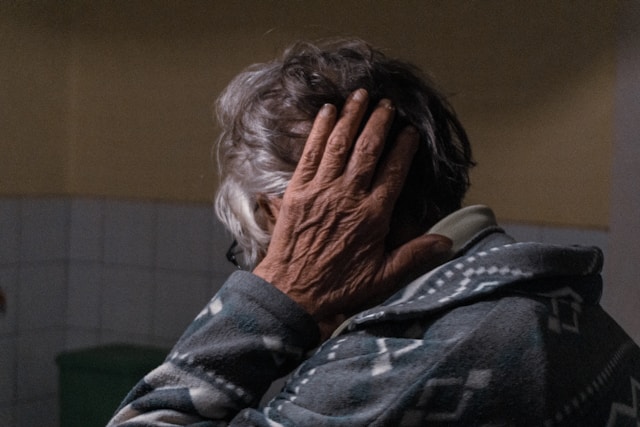
Are Alcohol and Migraines Linked?
Yes. Alcohol triggers migraines and headaches in around one in three migraine sufferers, and red wine, sparkling wine and dark spirits are the most common culprits. The mechanism involves dehydration, blood vessel dilation, histamine release and serotonin disruption.
Some people get a headache within 30 minutes of drinking. Others get a delayed migraine attack the morning after. If alcohol consistently triggers your migraines, the most reliable way to stop the attacks is to stop drinking.
Different drinks affect people differently. Red wine is the most commonly reported trigger, but the amount consumed matters as much as the type. People with a history of migraines often find that even one drink can trigger an attack, while heavy drinkers may experience headaches as part of withdrawal rather than from the alcohol itself.
To reduce the risk of alcohol head and stomach pain:
- Drink water between alcoholic drinks
- Eat before and while drinking
- Choose drinks with fewer additives, sulphites and congeners
- Know your limits and drink slowly
If migraines occur regularly after drinking, the strategies above will reduce frequency but they will not eliminate the trigger. The pattern itself is the data: when alcohol is the trigger, the only reliable fix is to stop drinking.
Alcohol Migraines vs. Standard Headaches: How They Differ
Migraines and headaches both cause head pain but they are clinically different conditions. A headache is the symptom. A migraine is a neurological condition with a much wider symptom set, often involving abnormal brain activity that affects vision, balance, nausea control and sound sensitivity at the same time as the pain itself.
Migraines typically involve intense throbbing pain (usually on one side of the head), nausea, sensitivity to light and sound, and visual disturbances (aura) that can precede the pain. A migraine attack can last 4 to 72 hours and most sufferers are functionally disabled during one.
Standard headaches are typically milder, shorter (often under four hours), and not accompanied by other neurological symptoms. Tension-type headaches feel like a tight band around the head and are usually triggered by stress, posture or eye strain. Cluster headaches involve severe pain on one side of the head, often around the eye, and occur in clusters over weeks.
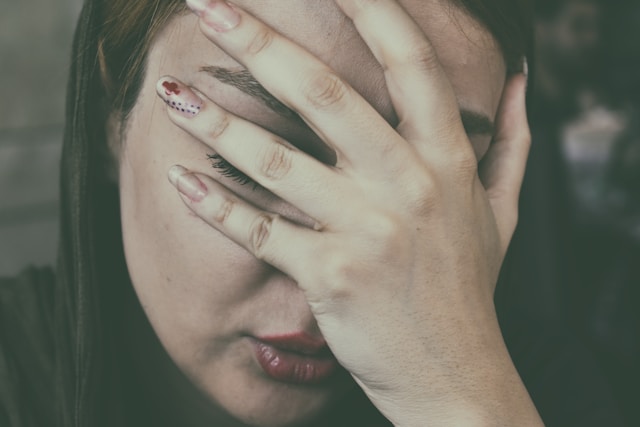 How Does Alcohol Trigger Headaches?
Alcohol triggers headaches through four physiological mechanisms that often work in combination.
Dehydration: Alcohol is a diuretic, meaning it makes you urinate more than you drink. The resulting fluid loss is a direct headache trigger and is the mechanism behind most hangover headaches.
Blood vessel dilation: Alcohol relaxes the blood vessels in the brain, which alters blood flow and pressure and produces the throbbing pain characteristic of vascular headaches and migraines.
Histamine and chemical compounds: Red wine, sparkling wine, dark beers and aged spirits contain higher levels of histamines, sulphites and congeners (fermentation by-products). These compounds trigger inflammatory and vascular responses that produce headaches in sensitive people, often within 30 minutes of the first drink.
Withdrawal: People who drink heavily can experience headaches as part of withdrawal from alcohol, particularly the morning after a heavy drinking session and during early sobriety. If your headaches are worse on days you don’t drink than on days you do, that pattern points to dependence rather than to alcohol intolerance.
Can Drinking Alcohol Lead to Migraine Attacks?
Yes, alcohol is a confirmed migraine trigger. Studies suggest around one in three migraine sufferers identify alcohol as a personal trigger, with the proportion rising in people who drink heavily or daily. The trigger effect varies significantly between individuals: some get a migraine within an hour of drinking, others experience a delayed attack the following day.
For chronic migraine sufferers, alcohol presents a particular problem because the trigger threshold is often low. A single glass of red wine can be enough to set off a 24-hour attack. The variability is real but the underlying pattern is consistent: in any individual where alcohol triggers migraines, drinking will continue to trigger migraines until they stop.
Which Alcoholic Beverages Might Spark Migraines?
Some drinks are reliably worse than others for migraine sufferers. The pattern correlates with histamine, sulphite and congener content rather than alcohol percentage. The table below summarises the relative trigger risk of common drinks.
| Drink | Trigger Risk | Why |
|---|---|---|
| Red wine | High | Highest histamine, tannin and sulphite levels |
| Sparkling wine and champagne | High | Sulphites plus rapid alcohol absorption |
| Whiskey, brandy, bourbon | High | High congener content from aged dark spirits |
| Dark beers and stouts | Moderate to high | Congener and histamine content |
| White wine | Moderate | Lower histamine but sulphites still problematic |
| Light beers | Lower | Fewer congeners, but volume matters |
| Vodka, gin and clear spirits | Lowest | Minimal congeners, sulphites or histamines |
Lower-risk drinks are not safe for migraine sufferers. They are less reliably triggering. Any alcohol can trigger a migraine attack in a susceptible person, and individual sensitivity varies significantly.
Keeping a diary of drinks consumed alongside attack timing is the most accurate way to identify personal triggers, and the data usually surprises people in two ways: triggers cluster around a smaller list of drinks than expected, and the threshold quantity is often lower than expected.
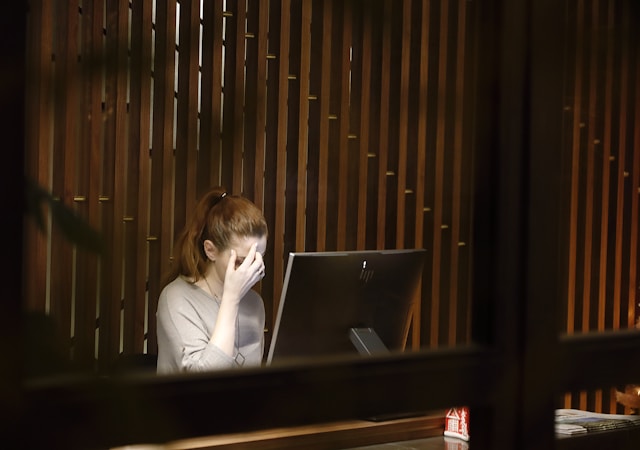 Ways to Reduce Alcohol-Related Head Pain
Strategies to reduce alcohol-related head pain fall into two categories: prevention and acute management.
Prevention strategies (before and during drinking)
- Stay hydrated by drinking a full glass of water between each alcoholic drink
- Eat a substantial meal before and while drinking
- Choose lower-histamine drinks (clear spirits, white wine) over red wine and dark spirits
- Limit yourself to no more than two drinks per session if you are migraine-prone
- Keep a migraine journal recording drinks, food, sleep and attack timing
Acute management (when a headache or migraine is already underway)
- Hydrate aggressively with water and electrolyte replacement
- Rest in a dark, quiet room with a cold compress on the forehead or neck
- Take over-the-counter pain relief as directed (avoid NSAIDs if you have a history of stomach ulcers or gastritis)
- Caffeine in small amounts can help, but not if it is causing rebound headaches
These strategies reduce frequency and severity but they do not eliminate the trigger. If alcohol is reliably triggering your migraines and the pattern continues despite these strategies, the underlying issue is not the technique. The underlying issue is the drinking itself, and at that point the path forward is structured treatment to overcome alcohol dependency rather than another round of mitigation tactics.
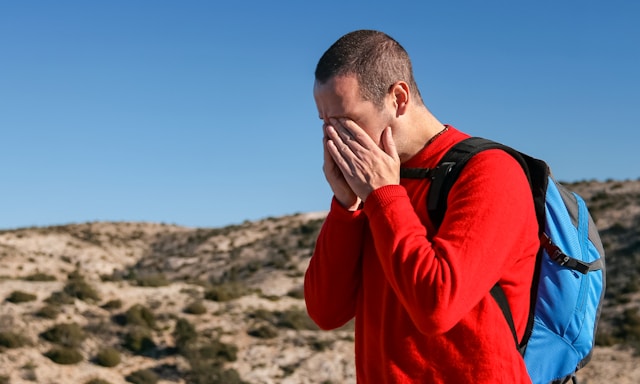 When Migraines Are Your Body Asking About Your Drinking
If you are reading this because alcohol is affecting your health, Changes can help. A migraine that returns every time you drink is not a sensitivity. It is a pattern. The pattern gets louder over time, and every attack is your body asking for something to change.
At Changes Rehab in Johannesburg, our clinical team treats the drinking and the damage together. We offer medically supervised detox with 24-hour nursing oversight, a full medical assessment that addresses both alcohol use and the headaches and other symptoms that come with it, and a recovery plan built around your physical and emotional recovery.
Call us on 081-444-7000 or book a confidential assessment at Changes Rehab. The sooner you reach out, the sooner the migraines can stop.
Common Questions About Alcohol and Headaches
How can one ease headaches after drinking alcohol?
To ease an alcohol-induced headache: drink plenty of water to combat dehydration, rest in a dark and quiet room, take paracetamol as directed (avoid ibuprofen and aspirin if you also have stomach symptoms), eat light easily digestible foods, and apply a cool compress to your forehead. Prevention is more effective than treatment: drink water alongside alcohol and avoid drinking on an empty stomach.
Are certain alcoholic drinks less likely to cause migraines?
Yes. Clear spirits like vodka and gin, white wine and light beers typically contain fewer congeners, sulphites and histamines than red wine and dark spirits. They are less likely to trigger migraines for most people but they are not safe: any alcohol can trigger an attack in a susceptible individual.
What are the main triggers for alcohol-related migraines?
The five primary triggers are dehydration, histamine release, sulphite content, blood vessel dilation, and alcohol’s disruption of serotonin levels. Red wine is the highest-risk drink because it combines high histamine, sulphites and tannins. The trigger threshold is often lower than people expect, and the response varies significantly from person to person.
What remedies work for alcohol-induced migraines?
Effective remedies for an alcohol-induced migraine include over-the-counter pain relief used with caution, aggressive hydration, rest in a dark and quiet environment, small amounts of caffeine, cold or hot compresses, and gentle massage of the temples. For frequent sufferers, prescription migraine medication from a GP may be necessary, but if alcohol is the consistent trigger, treating the trigger is more effective than treating the symptom.
Why do some people get immediate headaches from alcohol?
Immediate alcohol headaches occur because of rapid blood vessel dilation, individual alcohol sensitivity, histamine intolerance, or pre-existing conditions like cluster headaches. These reactions are typically more intense than delayed (morning-after) headaches and can begin within 30 minutes of a single drink.
Which part of the head usually hurts from alcohol-related headaches?
Alcohol-related headaches commonly affect the forehead, the temples, behind the eyes, and the base of the skull. The pain is often throbbing or constant and worsens with movement. Migraines from alcohol typically present on one side of the head, often around the eye, while standard alcohol headaches tend to affect the forehead and temples bilaterally.