







How Bad Is Marijuana Abuse? What Andrew Huberman's Video Explains
Might regular cannabis use in adolescence impair brain development and compromise sexual health into adulthood?
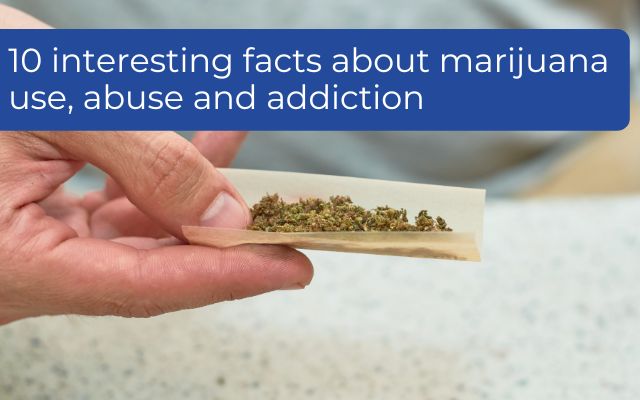 Marijuana abuse is real, and it can cause serious harm to you, especially if you start young. Regular heavy cannabis use is linked to addiction, lasting damage to the developing brain and a long list of physical and mental health risks. Roughly one in ten users goes on to develop a serious dependence.
This page pairs a clear video from Dr. Andrew Huberman on how cannabis affects the young brain with a plain, evidence-based look at the signs of marijuana abuse, the effects of it and when to get help.
At Changes Rehab in Johannesburg, cannabis addiction is treated as the medical problem it is, not a habit you should simply be able to switch off. The idea that weed is harmless and non-addictive is one of the most common myths we deal with.
What Andrew Huberman Says About Cannabis and the Young Brain
Dr. Andrew Huberman, a neuroscientist, has a widely watched video on how cannabis affects the adolescent and young adult brain. You can watch the full clip below, and it is worth the time if you or someone you love uses weed regularly.
Watch the video from Dr. Andrew Huberman on the effects of cannabis on the adolescent and young adult brain.
The video’s central point lines up with the wider science. The brain keeps developing into your mid-twenties, and heavy cannabis use during those years can interfere with that process. The evidence set out below fills in the details, from cognitive effects to mental health risk, and shows why age matters so much with this drug.
The Signs of Marijuana Abuse and Addiction
Marijuana abuse becomes a disorder when the drug starts causing real problems and you cannot stop. Between about 9% and 30% of regular users develop a use disorder, and in one American study, while 2.9% of the whole population had a cannabis use disorder in a year, 30.6% of those who actually used cannabis met the criteria. Severe cannabis use disorder, marked by strong dependence, shows up in about one in ten people who use the drug, according to the World Health Organisation.
So yes, weed is addictive. Cannabis use disorder is the medically accepted term, and it brings loss of control over use, real adverse consequences and withdrawal symptoms when you stop. The CDC lists clear signs to watch for.
Common signs of marijuana abuse include:
- Using more cannabis, or using it more often, than you meant to.
- Trying to cut down or quit and not managing it.
- Spending a lot of your time getting, using or recovering from cannabis.
- Strong cravings for weed when you are not high.
- Using despite problems it causes at home, school or work.
- Carrying on even though it is harming your relationships.
Recognising several of these is a sign it is time to take an honest test or speak to someone who understands addiction.
The Effects of Dagga Abuse, by the Evidence
The claim that dagga is harmless does not hold up. Here is what the research, much of it summarised by the World Health Organisation, actually shows across the body and mind. For a fuller rundown, see our detailed facts on marijuana use and abuse.
Marijuana and your sex life
Cannabis use is linked to higher rates of risky sexual behaviour and sexually transmitted infections, especially in young people and women. A 2011 study in the United States found a significant link between marijuana use and lower condom use, and other research tied early use in young women to more lifetime sexual partners. Frequent male users were also more likely to struggle to reach orgasm.
Cognitive function and IQ
The WHO reports that regular users consistently show deficits in verbal learning, memory and attention. These are worst in people who started young or used for years. It is still unclear whether the damage reverses once someone stops. One New Zealand study found that long-term regular use could lower IQ by as much as eight points.
Worse for children and adolescents
Heavy cannabis use in childhood and adolescence does more lasting harm than use in adulthood, because younger brains are more vulnerable. The cognitive problems look similar to those in adults but last longer and are less likely to reverse. Use before age 15 is linked to leaving school early, and long-term heavy use in this group is associated with lower income, unemployment and further drug use later in life.
Links to mental illness
Using higher-THC cannabis may raise the risk of schizophrenia and bring the illness on earlier, especially for people who start before adulthood. A Swedish study of over 50,000 men found that those who had tried cannabis by 18 were 2.4 times more likely to be diagnosed with schizophrenia, and a longer follow-up estimated that 13% of cases could have been prevented without cannabis use.
People with cannabis use disorders also show higher rates of depression and anxiety, though the direction of that link is still debated. Where addiction and a mental health condition sit together, both need treating as one problem through psychiatric care.
Rising THC levels
The strength of cannabis has climbed sharply, with average THC content in the United States rising from under 2% in 1980 to around 12% to 16% or more today. Higher THC means higher risk, taking in psychosis, schizophrenia and cannabis use disorder. Products with 15% THC or more were tied to a three times higher risk of psychosis, rising to five times with daily use, while hash at 5% or less showed little of that effect.
Heart, lung problems and strokes
Marijuana raises heart rate and blood pressure soon after use, and while that is usually harmless, there are reports of cannabis-related heart attacks and strokes. Heart-related death was 2.5 times higher in people using cannabis less than weekly and 4.2 times higher in those using it weekly or more, compared with non-users.
Heavy long-term users are also more likely to report chronic cough, wheezing and bronchitis. Mixing cannabis with tobacco adds the risks of tobacco-related lung disease.
Driving while high
Driving stoned roughly doubles your crash risk, because THC slows reaction time and hurts coordination, information processing and attention. The risk climbs with the amount of THC in your blood, so a bigger dose means a bigger danger. This is one of the most serious public health effects of the drug, and it has cost lives.
Legal status in South Africa and beyond
Several places have relaxed their cannabis laws, with Uruguay legalising recreational use in 2013 and Canada following in 2018, while South Africa, Mexico and Portugal have decriminalised personal use. As the drug becomes more normalised, perceived risk drops and use rises, which the WHO flags as a major driver of harm. Legal or not, the health effects on the body and brain do not change. You can read more on the local picture in our decriminalised weed facts for South Africa.
Cannabis use in pregnancy
The WHO warns that cannabis exposure in pregnancy can interfere with the normal development of an unborn baby’s brain. Children exposed before birth have shown problems with attention, learning and memory, along with more impulsivity and behavioural issues as they grow. There is less research here than for alcohol or nicotine, so the full picture is still forming, though the early signal is clear enough to avoid weed while pregnant.
When to Seek Treatment for Marijuana Abuse
Get help when cannabis has stopped being a choice and started running the show. That usually means you have tried to stop and could not, or weed has quietly become your main way of coping with stress. Feeling real withdrawal when you go a day or two without is another clear sign. Waiting for a rock-bottom moment is rarely necessary, and earlier help is usually easier.
At Changes in Johannesburg, treatment for cannabis addiction starts with a proper assessment of how heavy the use is and whether a mental health condition sits underneath it. Where dependence is strong, a supervised detox settles the body before the real work of therapy begins. From there, counseling and group work rebuild the routines that lasting recovery needs.