






Codependency on a loved one addicted to alcohol or other drugs can be a deadly affair. It quietly props up the addiction while draining the person trying to help, and recognising it is the first step towards protecting your whole family.
Codependency is an unhealthily close relationship where one person takes on one of six enabling roles that allow another person’s addictive behaviour to continue. The enabler is convinced they are doing the right, caring thing, when the effect is the opposite.
While the codependent person keeps rescuing them, the addict or alcoholic never has to take responsibility for themselves or their actions. Breaking that pattern is hard, but it is where recovery for the whole family begins, and the Changes team in Johannesburg can help you start.
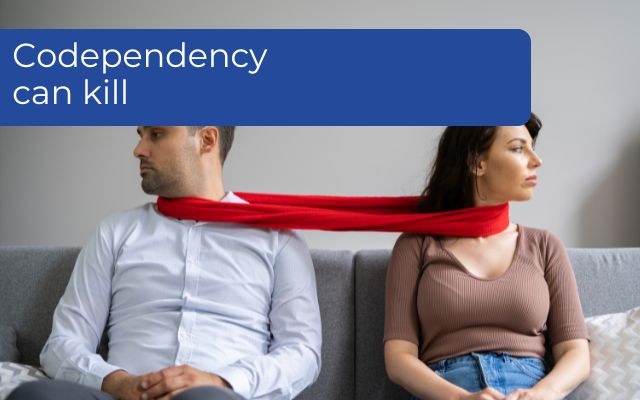 What Does Codependency Look Like?
Have you ever heard the saying that someone will “kill you with kindness”? In codependency and addiction, that phrase takes on a literal meaning. The kindness meant to help is exactly what keeps the addiction alive.
The saying is thought to come from a 1500s proverb, drawn from the idea that some apes accidentally kill their young by crushing them in a hug. That image fits codependent families in active addiction well. A codependent person tries to save the addicted person from the consequences of their addiction, and in doing so removes the very pressure that might have pushed them towards help.
Codependency tends to show itself in recognisable ways. You might notice these signs in yourself or another family member:
- Your moods and decisions rise and fall with the addicted person’s using.
- You cover up, make excuses or lie to protect them from consequences.
- You give money, shelter or bailouts even when it clearly funds the addiction.
- You feel responsible for fixing their problems and guilty when you cannot.
- Your own needs, health and relationships come a distant second.
If several of those feel familiar, you are likely caught in a codependent pattern rather than simply caring for someone you love.
How Dysfunctional Families Lead to Codependency
Codependency rarely appears out of nowhere. It usually grows out of the way a family learns to cope, often long before addiction enters the picture. In a home where feelings are not safe to express, or where one person’s behaviour dominates everyone else’s, children learn early that keeping the peace matters more than their own needs.
Those early lessons harden into roles. One child becomes the caretaker, another the peacemaker, another the one who never causes trouble. These are the same six dysfunctional family roles that show up around addiction, and they are how a family unconsciously organises itself to survive stress.
When addiction arrives, those roles go into overdrive. The caretaker starts rescuing, the peacemaker starts smoothing over consequences, and the whole system bends around the addicted person. Because the pattern feels normal and even loving, it is hard to see from the inside. Understanding where it came from makes it easier to change, without blaming yourself for learning to cope the only way you knew how.
 Addiction Is a Deadly Disease
Addiction is a brain disease that can be fatal. There is the literal loss of life through accidents, suicide or overdose, but far more often there is a slower spiritual, social and emotional death that comes with prolonged addiction.
The worst-case scenario for many is death in the literal sense, and untreated addiction causes untold avoidable fatalities. According to the World Health Organization, alcohol is linked to about 2.6 million deaths a year, roughly 4.7% of all deaths worldwide, and younger people are hit disproportionately hard.
This is why codependency is so dangerous. By shielding the addicted person from consequences, it can delay the very help that saves lives. Naming the pattern and stepping out of it is not cruelty, it is often what gives a loved one the chance to survive.
Support for Families and Partners
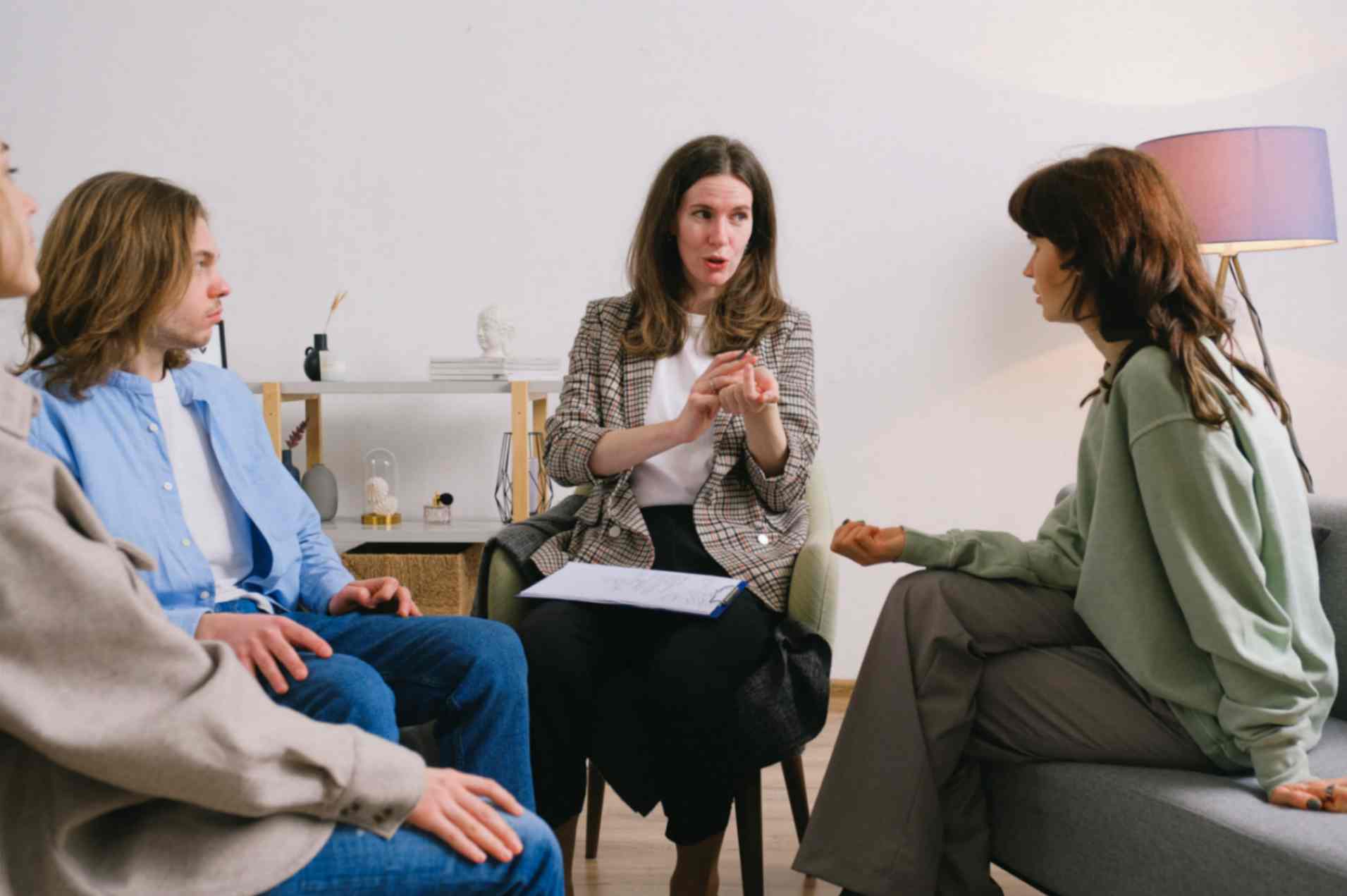
Family involvement is associated with better engagement and steadier outcomes.
Codependency and Families Facing Addiction
Setting boundaries with a loved one is difficult, and it is even harder when the relationship is deeply codependent. In addiction, though, boundaries save lives and livelihoods. Properly enforced, they hand responsibility back to the person who needs to carry it.
In a codependent relationship, you will probably need outside professional help. Many families need a formal intervention to genuinely reach their loved one.
Creating boundaries and saying no to your loved one, then encouraging them into addiction treatment, may be met with strong pushback. Stopping money or shelter, and refusing to make excuses for bad behaviour, can feel alien and even cruel at first.
It can feel uncomfortable and frightening to change long-standing dynamics, but to save a life you sometimes must. Addiction has been called a family disease, and the whole family system needs to shift for a loved one to have the best chance of lasting recovery. Do not kill them with kindness. Apply tough love, and get support for yourself as well through the Changes family programme.
Get Help for Yourself and Your Loved One
You do not have to hold your family together alone, and you do not have to work out the next move on your own. If you recognise codependency in yourself, you have already done the hard part.
Changes Rehab in Johannesburg runs a family programme alongside treatment for the addicted person, so you can work on your own recovery while they work on theirs. When you are ready to get someone into treatment, our admissions team can pre-authorise the admission and walk you through medical aid and next steps. Call us on 081 444 7000 whenever you are ready, day or night.
Codependency can keep addiction alive. Learn the signs, how dysfunctional families cause it, and how to break the cycle with family support in Johannesburg.. Changes team counsellors are here to help you.Codependency & Addiction: Signs, Causes and How to Break It