






Aftercare and Long-Term Rehab in Johannesburg: What Comes After Primary Care
Are you prepared to enrol in an aftercare programme now to protect your recovery from relapse in the long term?
Long-term addiction treatment in Johannesburg means continuing structured care after the 21 to 28-day primary care phase ends, through secondary care (typically 60 to 90 days), halfway housing, and ongoing aftercare. This sequencing is what the evidence shows actually works. Treatment that stops at primary care is treatment that ends at the point recovery is most fragile.
If you have just been discharged from rehab, you are at the highest-risk window for relapse. The first 90 days after primary care are the period when the emotional system is still unstable but the structure of treatment has fallen away. The right next step depends on your situation, but for most people it is some combination of secondary residential care, halfway housing or sober living, plus formal aftercare. The rest of this page walks through each option with links to the Changes facilities and programmes that deliver them.
The treatment phases described here draw on the evidence base compiled by the European Association for the Treatment of Addiction (EATA), which spent years documenting what works in addiction recovery. We have aligned them to the Changes Rehab continuum of care delivered from facilities in Johannesburg.
The Long-Term Addiction Treatment Continuum at a Glance
Addiction treatment is most effective when it is delivered as a continuum rather than a single event. The table below summarises the four phases that make up long-term care and the Changes facility that delivers each phase in Johannesburg.
| Phase | Typical Duration | What Happens | Where Changes Delivers It |
|---|---|---|---|
| Primary care | 21 to 28 days | Medical detox, intensive inpatient therapy, dismantling denial | 16-bed primary facility in Northcliff |
| Secondary care | 60 to 90 days | Longer-term residential treatment, deeper therapeutic work | 20-bed River Manor ("The Farm") in Ruimsig |
| Halfway house | Several months to a year+ | Structured sober living, real-world reintegration | Johannes House (Fairland) and Auckland House (Melville) |
| Aftercare | Ongoing | 1 individual session + 3 online groups per week | Online and in-person, post-discharge |
Why Primary Care Alone Is Not Long Term Addiction Treatment
Primary care typically lasts 21 to 28 days. That is enough time to manage detox, stabilise behaviour, dismantle denial and begin therapeutic work. It is not enough time to rebuild a life that addiction has been dismantling for years. The emotional, behavioural, relational and practical foundations required to stay sober in the real world are nowhere near ready at the end of primary.
This is the gap that long-term addiction treatment fills. Research shows that the first 90 days after primary care are the highest-risk relapse window, and that continuing care during this period dramatically reduces relapse and treatment readmission rates. The longer a client stays connected to structured follow-up support, the better the long-term recovery outcomes.
For most clients, the safest path is to step down from primary care into Changes’ Secondary Care facility (River Manor), where therapeutic work continues in a calmer environment that allows for deeper engagement with the underlying drivers of addiction.
Secondary Care: Long-Term Residential Treatment in Johannesburg
Secondary care is the residential phase that follows primary. It typically lasts 60 to 90 days and is focused on the work that primary did not have time to address: trauma processing, behavioural pattern change, identity reconstruction and emotional regulation in real-world conditions. The structure is residential but less intensive than primary, allowing clients more independence while maintaining clinical containment.
Changes delivers secondary care from River Manor in Ruimsig, a 20-bed long-term treatment facility colloquially known as “The Farm”. The setting is deliberately tranquil. Clients have space and time to do the deeper therapeutic work, with access to animal therapy including equine therapy, a clear daily routine, and 24-hour clinical supervision including a nurse on night duty.
Most Changes clients move directly from the Northcliff primary care facility into River Manor without a transition gap, which preserves clinical context and reduces the relapse risk that comes with changing institutions mid-recovery.
Halfway House: The Reintegration Phase
After residential treatment ends, the next phase for most clients is structured sober living in a halfway house. The purpose of this phase is to test the recovery skills built during primary and secondary care under real-world conditions: returning to work, managing money, navigating family relationships, handling daily stress without substances.
Changes operates two halfway houses in Johannesburg: Johannes House in Fairland (Northcliff) and Auckland House in Melville. Both provide 24-hour management, mediated group therapy three times a week, weekly individual sessions with experienced addiction counsellors, and the structure required to build sustainable routines without falling back into old patterns.
Halfway house residency typically lasts several months to a year or longer. Clients who skip this phase and return directly to their previous environment after secondary care are at significantly higher relapse risk because they are exposed to the same triggers and patterns that destabilised them in the first place.
Aftercare: Ongoing Support After Discharge
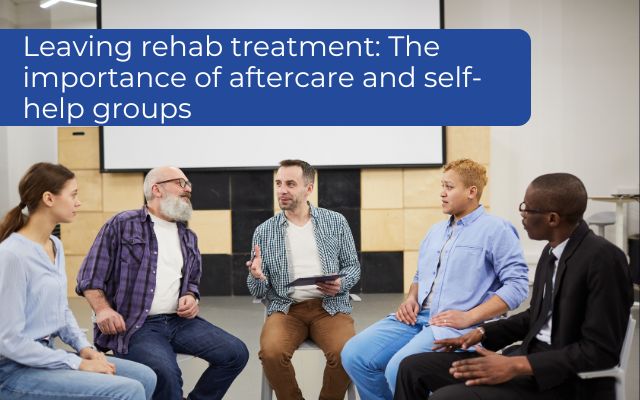
Aftercare is the structured ongoing support that runs alongside or after halfway house residency. It is not optional. The first 90 days after structured treatment ends are the period when relapse thinking gains the most ground in secret. Aftercare catches those shifts early and reinforces behavioural change while clients rebuild daily life.
After completing primary or secondary treatment, every Changes client has access to an aftercare programme that includes one individual counselling session and three online group therapy sessions per week. Sessions are delivered face-to-face and online, so clients who return to work or move out of Johannesburg can continue to attend.
For clients who could not complete a full 90 days of inpatient treatment because of work or financial constraints, aftercare combined with outpatient programmes can substantially close the gap. Research shows that good-quality outpatient and aftercare programmes are almost as effective as inpatient care over time.
Self-Help Groups: 12-Step Communities and Free Support
Self-help groups attached to 12-step fellowships provide the long-term support and accountability that no professional programme can substitute for. These fellowships include Alcoholics Anonymous, Narcotics Anonymous and Cocaine Anonymous. Groups host regular meetings across South Africa, mostly daily, in person and online.
Research shows that 12-step group attendance improves long-term abstinence rates, especially for clients who attend weekly or more often. The groups offer welcoming, supportive relationships during periods of particular vulnerability to relapse, and they are free.
Changes integrates 12-step recovery into the clinical programme through stepwork, so by the time clients leave treatment they are already familiar with the structure and language of the rooms. This dramatically reduces the friction of attending external meetings post-discharge.
Plan Your Long-Term Addiction Treatment with Changes
If you or a family member is approaching the end of primary care or has recently been discharged, the next 30 to 60 days are the period when the right plan matters most. The cleanest path is an obligation-free assessment with the Changes admissions team to map the appropriate combination of secondary care, halfway housing and aftercare for your situation.
Most clients benefit from a structured step-down: River Manor for secondary care, Johannes House or Auckland House for the reintegration phase, and aftercare running alongside both. The exact mix depends on clinical needs and personal circumstances such as work, family responsibilities and medical aid coverage.
Contact Changes for an obligation-free assessment or call our admissions team on 081-444-7000.
Long-term addiction treatment in Johannesburg: secondary care, halfway housing and aftercare options at Changes Rehab to safeguard recovery after primary.. Changes team counsellors are here to help you.Long Term Treatment Aftercare Safeguards Your Recovery